If you picture Duck, NC as just another beach stop on the Outer Banks, you may miss what makes it different. Everyday life here feels more village-like, more walkable, and more connected to the water in ways that shape how you spend your time. If you are thinking about buying, investing, or simply getting to know the area better, understanding the day-to-day rhythm matters. Let’s dive in.
Duck feels smaller on purpose
Duck is Dare County’s northernmost community and the Outer Banks’ newest incorporated town, with incorporation dating to May 1, 2002. The 2020 census counted 742 residents, which helps explain why the town often feels intimate and easy to navigate.
The town describes itself as a sound-to-sea coastal community, and that phrase fits. Instead of feeling stretched out or built around nonstop car traffic, Duck centers much of daily life around its village core, the soundside, and a slower coastal pace.
Walking is part of daily life
One of the first things many people notice about Duck is how easy it is to get around without constantly getting back in the car. The town’s 2032 Vision describes Duck as a pedestrian-first community, and that planning shows up in everyday routines.
The Duck Trail runs six miles through town. In the village commercial area, the trail continues on both sides of Duck Road, with crosswalks, bike lanes, and a 25 mph speed limit in the village core.
That setup changes the feel of a normal day. You are more likely to take a walk to coffee, bike to the park, or stroll to dinner than circle for parking and rush back out.
The boardwalk shapes the lifestyle
Duck Town Park sits in the heart of town on 11 acres with maritime forest, willow swamp, open green space, and soundside views. It also connects to one of Duck’s most defining features: the Duck Boardwalk.
The boardwalk stretches nearly a mile along the Currituck Sound and is open from dawn until 1:00 a.m. It gives residents and visitors a scenic way to reach shops, eateries, and the park on foot, which makes even simple errands or evening outings feel more relaxed.
For everyday life, that matters. The boardwalk is not just a nice extra. It helps make the village feel connected, social, and easy to enjoy at a slower pace.
Beach access works differently here
Duck’s beach experience is a little different from what many buyers expect in a public beach town. The town says it does not own or maintain public beach access locations, and access is limited to Duck residents, Duck renters, and their guests through privately owned and maintained locations.
The town also prohibits parking along state roads, and there are no public parking areas at beach accesses. In practical terms, that means beach days in Duck tend to feel more neighborhood-based and less like a public parking-lot scene.
If you are considering a home here, this is an important part of daily life to understand. Beach access is still central to the lifestyle, but it is tied closely to where and how you own, rent, or stay in town.
Summer brings energy and activity
Like much of the Outer Banks, Duck changes with the season. Summer is the busiest time, and the town notes that the Outer Banks population increases dramatically during those months.
That seasonal shift brings more energy, more visitors, and a fuller community calendar. Concert on the Green takes place on Thursday evenings in summer, and the town’s Fourth of July parade and community celebration remain well-known annual traditions.
For many people, that busy season is part of the appeal. You get the lively side of Duck when you want it, especially in and around the village, while still having a town layout that encourages walking, gathering, and enjoying the waterfront.
Fall and off-season life feel calmer
Duck is not only about peak summer. The town’s event calendar stretches beyond the hottest months, including the Duck Jazz Festival, which is held annually in early October and is free to the public.
Outside the busiest season, the slower side of town becomes more noticeable. The trail, the boardwalk, and the park still shape daily routines, but the pace often feels quieter and more local.
That contrast is part of what many buyers appreciate. You can experience a strong seasonal destination while also enjoying a calmer everyday environment for much of the year.
Community includes more than full-time residents
Duck’s public-facing programs show that the town serves a wide mix of people. Its materials consistently refer to residents, property owners, renters, business owners, and visitors, which reflects how the town functions in real life.
That matters if you are looking at Duck as a second-home market or an investment market. The community is not framed as belonging only to full-time residents or only to vacationers. It operates as a shared place with room for different types of owners and users.
Programs like FLOCK Academy reinforce that civic side of town. The program gives residents and property owners a structured look at local government, which speaks to a community that values involvement and communication.
Water access is part of the routine
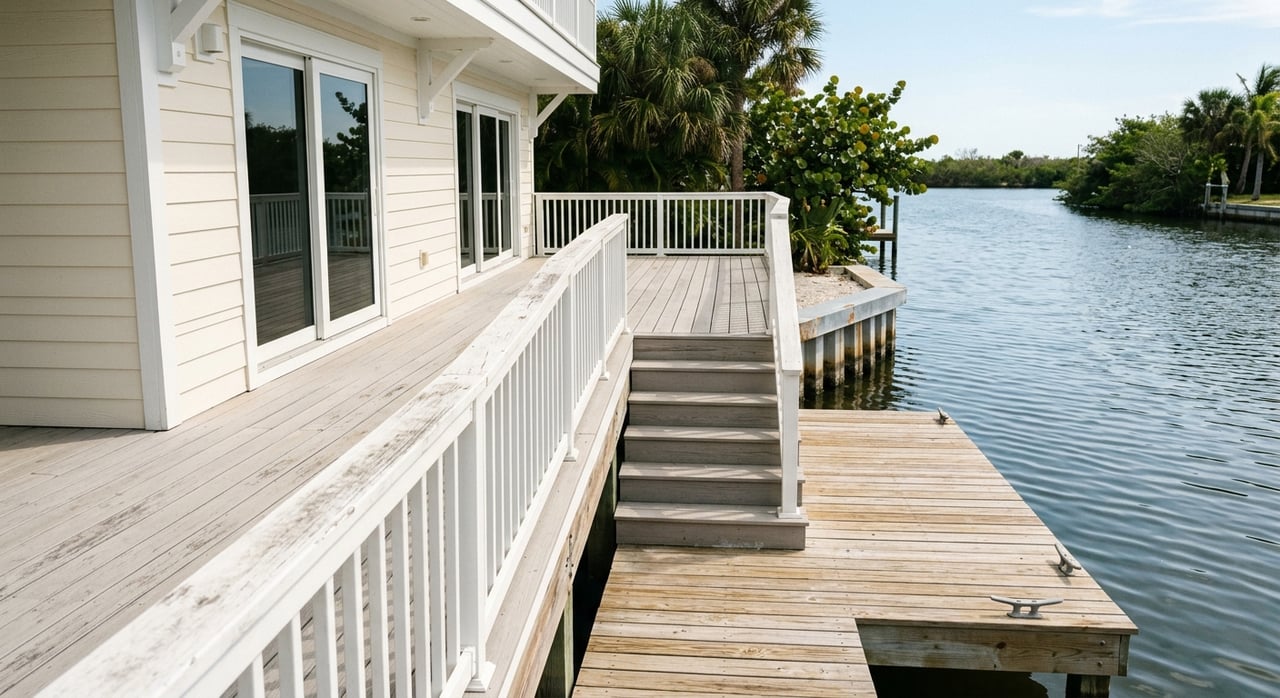
Life in Duck is shaped by both the ocean and the sound. On the soundside, Duck Town Park offers a public kayak and canoe launch along with transient boat piers.
That makes casual time on the water easier to work into everyday life. A paddle at sunset or a quiet morning near the sound can feel just as central to living here as time at the beach.
There are some limits to keep in mind. The town says there are no public launch points for motorized personal watercraft within Duck, so the water-access experience here leans more toward low-key recreation than high-traffic motorized activity.
Driving rules affect the coastal routine
Beach driving in Duck is seasonal. Vehicles are not permitted on the beach from March 16 through November 30, and the town says there are no public vehicle access points within Duck.
Outside that period, beach driving is limited to designated private vehicular access points. For day-to-day life, the bigger takeaway is simple: Duck is organized more around walking, biking, and neighborhood access than around broad public vehicle access.
That pattern helps define the town’s character. It supports a more contained, village-centered feel that many people notice right away.
Ownership comes with practical details
If you are thinking beyond lifestyle and into ownership, Duck also has some practical points worth knowing. For fiscal year 2025-2026, the town tax rate is 0.1800, with separate beach-nourishment MSD rates on some properties.
Dare County also levies a 6% occupancy tax on qualifying rentals. The town says it contracts with the Dare County tax office so residents receive one tax bill, which helps simplify the process a bit.
For second-home buyers and investors, these details matter because everyday life in Duck is not only about scenery and walkability. It also includes understanding the local structure that supports ownership, rentals, and shoreline maintenance.
What Duck everyday life really looks like
So what does everyday life in Duck really look like? It looks like morning walks on a six-mile trail, soundside sunsets on the boardwalk, and quick trips into a village core built for lingering rather than rushing.
It also looks seasonal. Summer brings more people, more events, and more activity, while much of the rest of the year offers a quieter rhythm that many owners value just as much.
Most of all, Duck feels distinct because its layout and policies shape behavior. This is a town where walking matters, access is managed, and the village experience plays a bigger role than a typical car-centered beach strip.
If you are exploring Duck as a place to buy, invest, or put down roots for part of the year, that everyday rhythm is exactly what makes the town stand out. When you are ready for local guidance on Duck and the wider Outer Banks market, connect with Brad Beacham for a thoughtful, locally informed conversation.
FAQs
Is Duck, NC walkable for everyday errands and outings?
- Yes. Duck promotes a pedestrian-first layout with the six-mile Duck Trail, village crosswalks, bike lanes, sidewalks, and the soundside boardwalk connecting key areas.
Can the public park at beach accesses in Duck, NC?
- No. The town says there are no public beach access locations and no public parking areas at beach accesses.
Who uses and enjoys the town of Duck, NC?
- Duck’s public materials refer to residents, property owners, renters, business owners, and visitors, reflecting a shared community with several types of users.
What makes everyday life in Duck, NC different from other Outer Banks towns?
- Duck stands out for its pedestrian-first village core, nearly mile-long soundside boardwalk, access-managed beaches, and seasonal event calendar that create a more village-centered feel.
Does Duck, NC have public water access beyond the beach?
- Yes. Duck Town Park includes a public kayak and canoe launch plus transient boat piers on the soundside.