If your idea of the Outer Banks is crowded resort strips and packed beach days, Rodanthe may surprise you. This small village on Hatteras Island offers a slower pace, wide-open views, and a daily rhythm shaped more by wind, water, and weather than by nightlife or large-scale tourism. If you are thinking about buying, investing, or simply getting to know this part of the coast, this guide will help you understand what makes Rodanthe distinct. Let’s dive in.
Why Rodanthe Feels Different
Rodanthe is the northernmost village on Hatteras Island, and that setting shapes almost everything about life here. The Cape Hatteras National Seashore has helped limit growth across the island, which has kept communities smaller and more low-key than many beach destinations.
For you, that often means more open horizon lines, fewer large buildings, and a quieter day-to-day atmosphere. Rodanthe feels less like a conventional resort area and more like a true barrier-island village where the landscape still leads the experience.
Hatteras Island tourism officials also note the absence of huge oceanfront hotels and the presence of campgrounds across the island. That gives Rodanthe a more relaxed, less commercial feel that appeals to buyers who want beach access and scenery without the intensity of a busier coastal strip.
Rodanthe Beaches and Water Access
For many people, the beach is the main event in Rodanthe. The shoreline here is part of a broader Hatteras Island experience centered on long beach days, time on the sound, and easy access to the outdoors.
One of the most practical features is Rodanthe Beach Access. Dare County’s public access includes 97 parking spaces, a bathhouse, showers, an ADA-compliant boardwalk, and seasonal lifeguards from the Saturday before Memorial Day through Labor Day between 9 a.m. and 5 p.m.
That kind of access matters whether you are planning a vacation home, evaluating rental appeal, or thinking about everyday usability. It gives the village a convenient public beach option while still preserving the quiet feel that draws people to this stretch of Hatteras Island.
What the beach experience is like
The beach experience in Rodanthe is usually less about crowds and more about space. You come here for long walks, changing skies, sunrise views, and a pace that encourages you to stay outside a little longer.
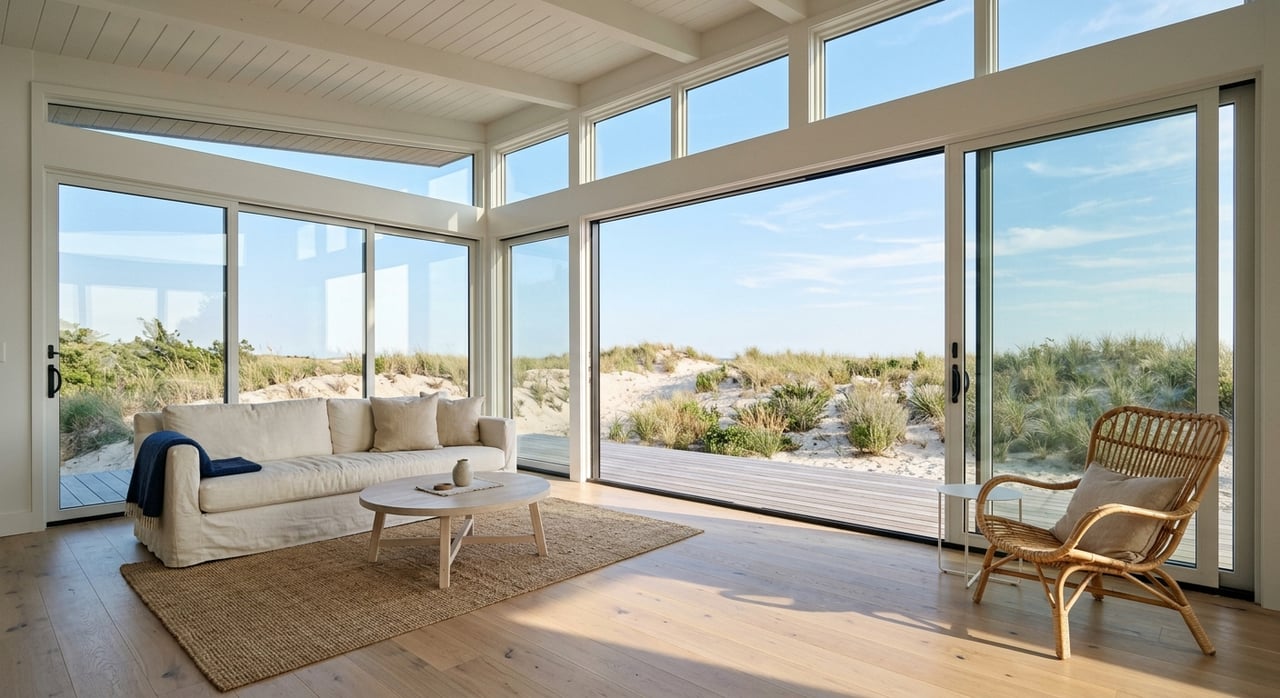
Because the built environment is relatively low-rise, the setting often feels visually open. That sense of space is part of the lifestyle value, especially if you are comparing Rodanthe to more built-up beach towns.
Seasonal details to know
Seasonal rules can shape how you use the beach throughout the year. The National Park Service allows beach fires from May 1 through November 15 only on the beaches in front of Rodanthe, Waves, Salvo, and several other villages.
From November 16 through April 30, beach fires are allowed throughout the park unless otherwise restricted. For owners and long-stay visitors, this is one of those small details that adds to the seasonal rhythm of coastal living.
Surfing, Kiteboarding, and Wind Sports
Rodanthe is not just a place to sit on the sand. It is part of a section of the Outer Banks with a strong identity around surf and wind-driven water sports.
The National Park Service describes Cape Hatteras National Seashore as home to some of the best surfing on the East Coast. It specifically lists North of Rodanthe, often called S-Curves, as a Hatteras Island surfing location.
If you love active beach time, this is a meaningful part of the Rodanthe lifestyle. You are in a place where surfing is part of the local coastal culture, not just a vacation add-on.
Nearby conditions on Hatteras Island also support kiteboarding and windsurfing. The National Park Service says Haulover and Kite Point can offer some of the world’s best kiteboarding and windsurfing when spring and fall winds pick up.
That broader island-wide recreation scene helps explain why Hatteras Island attracts water-sports enthusiasts in multiple seasons. For you as a buyer or investor, that can reinforce Rodanthe’s appeal beyond peak summer alone.
Homes and the Village Feel
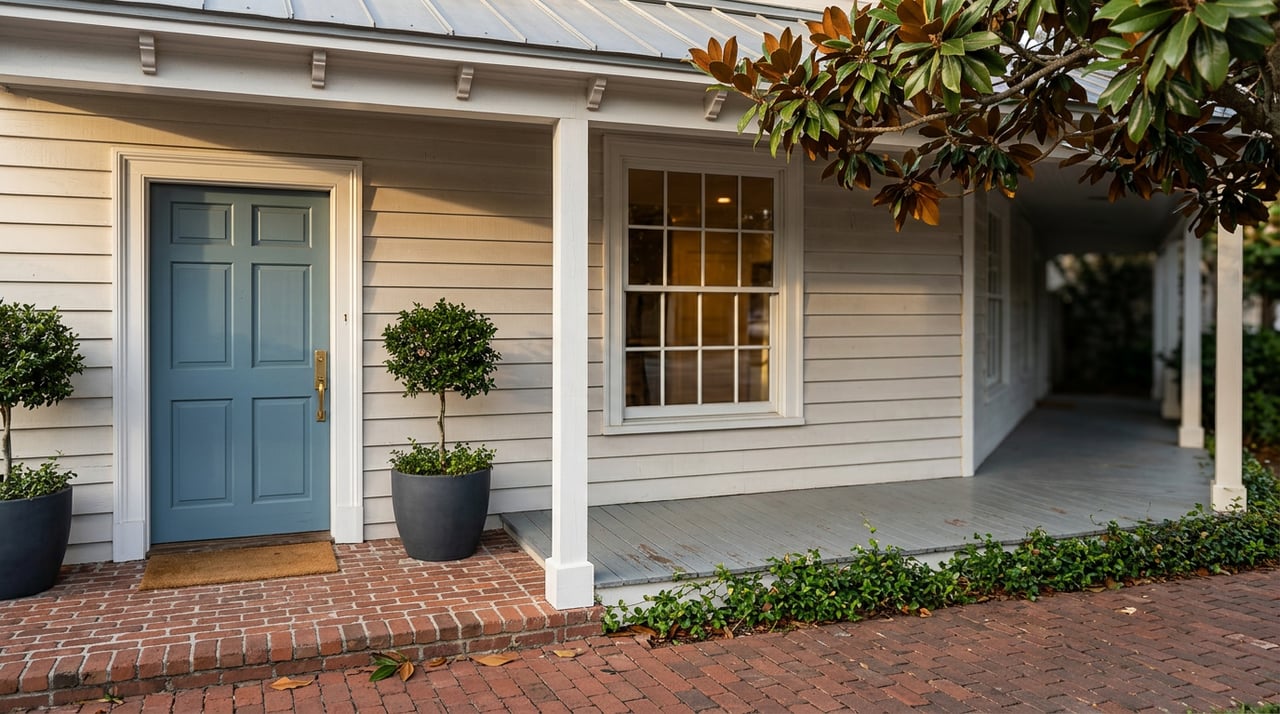
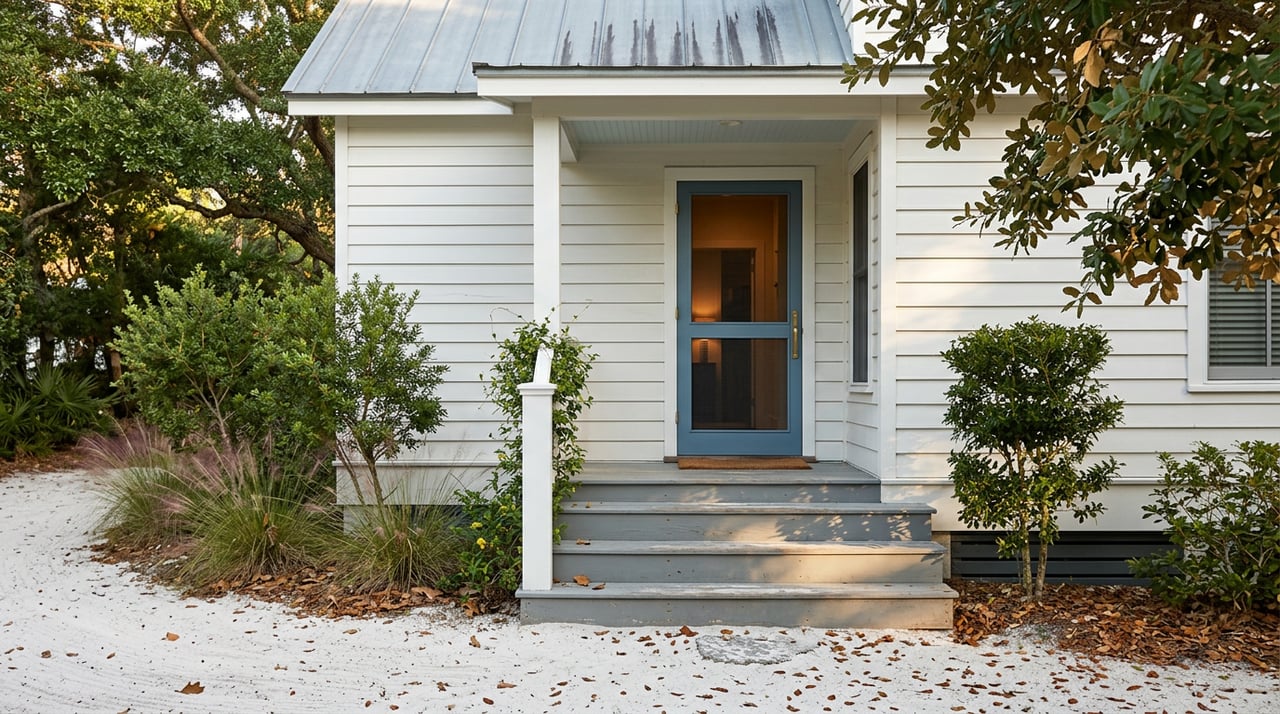
Rodanthe’s housing stock plays a big role in its identity. Instead of hotel blocks and high-rise development, the village is known for beach houses, rental homes, and low-rise coastal cottages.
Outer Banks tourism officials describe a mix of residential and rental homes with weathered cedar-shake siding, seaward-facing balconies, widow’s walks, and two- and three-story homes on stilts. The overall look is functional, coastal, and deeply tied to the environment.
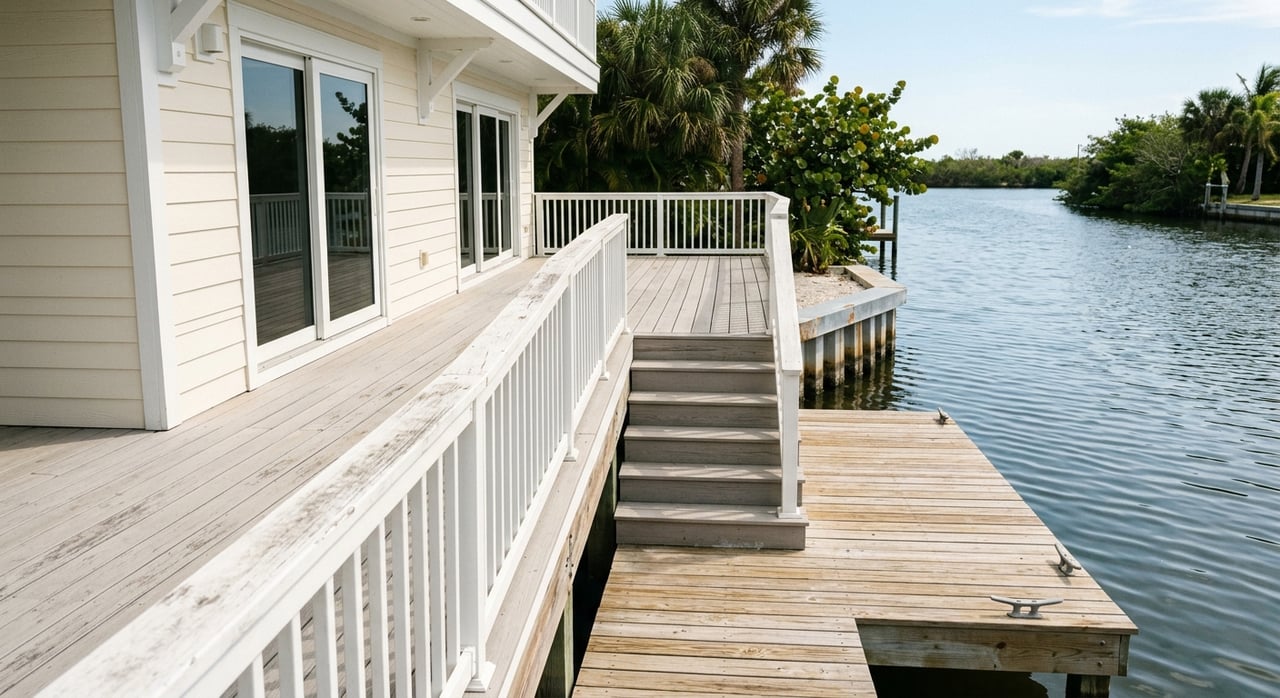
For buyers, this often means a housing experience built around views, outdoor living, and elevation. Broad decks, raised living spaces, and a strong connection to the landscape are common features in the Rodanthe setting.
A more private, house-by-house setting
Many beach houses on Hatteras Island have private access paths or dune-crossing boardwalks. That creates a more self-contained, residential feel than you might find in a beach area dominated by large hotels or resort complexes.
In practical terms, the village often feels like a collection of homes woven into the shoreline rather than a concentrated commercial corridor. That can be especially attractive if you value privacy, a slower pace, and a more classic Outer Banks atmosphere.
Landmarks That Shape Rodanthe’s Identity
Rodanthe may be quiet, but it is not generic. Two local landmarks help define the village and connect it to the broader history of Hatteras Island.
The Chicamacomico Life-Saving Station Museum reflects the area’s maritime and lifesaving heritage. The Rodanthe Fishing Pier adds another recognizable feature to the village and reinforces its long-standing connection to the water.
These places matter because they give Rodanthe a sense of continuity and character. Even as many homes now serve second-home owners and vacation guests, the village still carries a visible link to its working-water and coastal history.
Daily Life in Rodanthe
Life in Rodanthe comes with beauty, but it also comes with logistics that are important to understand. N.C. 12 is the main road connection, and the North Carolina Department of Transportation calls it the lifeline for Hatteras and Ocracoke communities.
According to NCDOT, residents depend on that road for off-island services such as hospitals, emergency response, and waste collection. The agency also notes that storms frequently overwash the highway and can interrupt access and services.
For you, this is one of the clearest differences between Rodanthe and a more centralized beach town. The tradeoff for quiet beaches and a small-village setting is that weather and road conditions are a real part of the ownership experience.
Why access matters for buyers and owners
If you are considering a second home or investment property, it helps to think beyond the view. Rodanthe’s lifestyle is tied to one main road, changing weather, and the seasonal flow of beach amenities.
That does not lessen the appeal. It simply means that owning here works best when you appreciate the realities of barrier-island living and see them as part of the character of the place.
NCDOT is also developing the SAND Plan to reduce disruptions on the vulnerable stretch between the Marc Basnight Bridge and the Rodanthe Jug Handle Bridge. That ongoing focus underscores how important long-term access is to this part of the Outer Banks.
Who Rodanthe Fits Best
Rodanthe is often a strong fit if you are looking for a quieter version of the Outer Banks. It can make sense for second-home buyers who want open space and less commercial activity, as well as for investors drawn to the area’s beach-house setting and multi-season appeal tied to surfing and wind sports.
It may also appeal to buyers who want a more nature-forward ownership experience. Here, the value is not fast pace or heavy entertainment. The value is the setting itself, including the beaches, the sky, the sound, and the feeling of being slightly removed from it all.
If that sounds like what you want, Rodanthe offers a distinct corner of the OBX. It is quiet, visually striking, and shaped by the kind of coastal realities that many buyers come here specifically to embrace.
If you are exploring Rodanthe or comparing Hatteras Island villages, working with a local guide can help you weigh both the lifestyle and the practical side of ownership. Connect with Brad Beacham for thoughtful, local insight on buying or selling along the Outer Banks.
FAQs
What is daily life like in Rodanthe, NC?
- Daily life in Rodanthe is generally quiet and outdoors-focused, with a slower pace shaped by the beach, the sound, seasonal amenities, weather, and access along N.C. 12.
What kinds of homes are common in Rodanthe, NC?
- Rodanthe is known for beach houses, rental homes, and low-rise coastal cottages, often with elevated construction, decks, balconies, and strong orientation toward water views.
Is Rodanthe, NC good for surfing and water sports?
- Rodanthe is part of a Hatteras Island area known for strong surfing conditions, and nearby island locations also draw kiteboarding and windsurfing enthusiasts, especially in spring and fall.
Does Rodanthe, NC have public beach access?
- Yes. Rodanthe Beach Access includes public parking, a bathhouse, showers, an ADA-compliant boardwalk, and seasonal lifeguards during the main beach season.
What should buyers know about access in Rodanthe, NC?
- Buyers should understand that Rodanthe depends on N.C. 12 for off-island access and services, and storms can disrupt travel and daily logistics at times.