If you are thinking about buying a canal or soundfront home in Waves, you are not just choosing a house. You are choosing a very specific Outer Banks lifestyle shaped by water, wind, access, and coastal conditions. That can be exciting, especially if you want boating, paddling, views, or a home that fits the Hatteras Island watersports culture, but it also means you need to look closely at risk, insurance, and site details before you buy. Let’s dive in.
Why Waves draws waterfront buyers
Waves is an unincorporated community in Dare County on the Hatteras Island corridor, in ZIP code 27982 and Tax District 19. In practical terms, that means you are buying in a barrier-island setting where N.C. 12, weather, and water conditions can shape day-to-day life as much as the home itself.
Dare County also recognizes canalfront and soundfront parcels as distinct waterfront categories in its land-use system. That is helpful for buyers because it confirms these are different local property types, not just listing descriptions. Each one can offer a different mix of access, views, maintenance needs, and guest appeal.
The county’s land-use planning materials describe Waves as a place with both soundfront and oceanfront development, with many seasonal homes. The same materials note that kiteboarding in Pamlico Sound is popular in Waves and other Hatteras Island villages, which helps explain why buyers often see this area as both a lifestyle choice and a rental-minded purchase.
Canalfront vs soundfront in Waves
What soundfront homes often offer
Soundfront homes in Waves often appeal to buyers who want open-water views, direct exposure to wind, and quick access to the broader Pamlico Sound environment. In this part of Hatteras Island, the National Park Service notes that kiteboarding and windsurfing are well known because of shallow soundside water, steady winds, and flat sandy areas.
That can matter if you want a home built around time on the water, or if you are thinking about vacation-rental demand tied to watersports. Spring and fall are often especially attractive for kiteboarding and windsurfing, which can shape how some buyers think about shoulder-season use.
What canalfront homes often offer
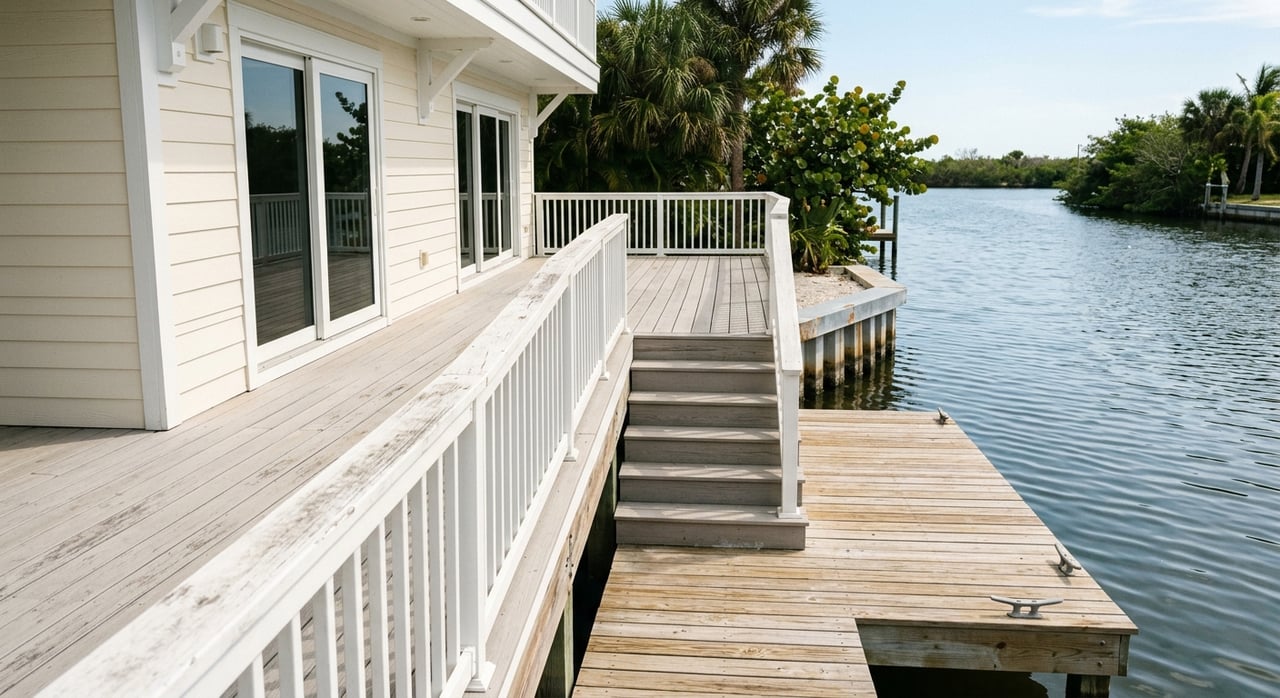
Canalfront homes usually appeal to buyers who prefer calmer water access and a more dock-oriented setup. While each property is different, canalfront ownership can feel more practical for keeping a boat nearby or enjoying a quieter waterside setting.
That does not automatically make canalfront better or easier. It simply means the value conversation often centers more on dock access, shoreline condition, and how the canal interacts with storms and flooding.
How nearby access supports the lifestyle
Even though not every amenity is in Waves itself, the surrounding soundside infrastructure adds value to the area. Dare County notes that nearby Rodanthe includes a boating access area with a two-lane boat dock, floating dock, and trailer parking, and the nearby New Inlet Boat Ramp is identified as a canoe and kayak launch spot.
For you as a buyer, that helps paint the bigger picture. This stretch of Hatteras Island supports boating, paddling, and watersports use, which can influence both personal enjoyment and rental positioning.
Flood and storm risk deserve real attention
In Waves, flood and storm exposure should be part of your first conversation, not your last. Dare County says storm surge can affect both oceanfront and soundside areas, and soundside flooding is a concern in many areas, especially on low-lying sites with drainage or soil challenges.
For soundfront buyers, that means the view and access need to be weighed alongside exposure to water and wind. For canalfront buyers, the county specifically notes that flooding can overtop canalfront bulkheads and affect adjacent property.
That is why a pretty lot or updated interior should never be the end of your review. In this market, you want to understand how the site performs during coastal weather, not just how the home shows on a sunny day.
Check the flood zone early
Dare County says unincorporated areas use flood zones including AE, VE, Shaded X, and X. The county describes AE as the most common category, while VE zones are coastal areas subject to velocity flooding and wave action.
You can contact Dare County Planning to determine a property’s flood zone and ask about historical flooding information, and the county says there is no fee for that service. That makes it one of the smartest early due-diligence steps you can take before you get too far down the road.
Dare County also says buyers can use FRIS and the county GIS and parcel tools to view flood hazards, easements, lot dimensions, zoning, and property summaries. Still, the county cautions that online map information is not a legal description, so treat those tools as screening resources rather than substitutes for survey work or title review.
Flood insurance should be in your budget
On Hatteras Island, flood insurance is not something to figure out at the last minute. Dare County says homeowners insurance does not cover flood damage, and buyers using federally backed mortgages may be required to carry flood insurance.
The county also notes that flood policies have a 30-day waiting period before coverage begins. That timing matters, especially if you are trying to coordinate financing, closing, and insurance without delays.
There is one helpful point for buyers in unincorporated Dare County. The county reports that it is a Class 6 Community Rating System community, which it says corresponds to a 20 percent discount on flood policies issued in unincorporated Dare County on or after April 1, 2022.
Ask for the elevation certificate
An elevation certificate can play an important role in understanding insurance costs. Dare County says it may have an elevation certificate on file depending on the age of the structure, and that insurance agents use the certificate to help rate flood policies.
The county also notes that elevation is the most common method used to reduce flood damage in this environment. For you, that means a home’s height and design are not just construction details. They can directly affect resilience and ownership costs.
Look closely at bulkheads, docks, and shoreline work
For canalfront homes in particular, the shoreline deserves careful attention. Since Dare County notes that canal flooding can overtop bulkheads, it is wise to review the condition of any bulkhead, ask about repair history, and understand whether the shoreline has had recurring issues.
You should also discuss whether existing improvements were properly permitted and whether future work might need approvals. This is especially important if you are considering repairs or upgrades to docks, bulkheads, boat ramps, riprap, or canal-related features.
North Carolina coastal rules include general permits for certain bulkheads, riprap, piers, dock facilities, boat ramps, groins, and some excavation within or connected to existing canals, basins, or ditches. Permit decisions also consider broader impacts such as public use, neighboring property enjoyment, safety, water supply, and fisheries.
Utility details matter more than you think
If a property is not served by full central utilities, do not assume the basics are simple. Dare County notes that it handles on-site wastewater systems and private drinking water wells through its property and environmental health services.
That makes utility verification an important step before closing, especially if you expect heavy seasonal use or plan to use the home as a second home or rental property. A canal or soundfront location can be appealing, but the ownership experience is much smoother when you understand the site systems clearly from the start.
A smart due-diligence checklist for Waves buyers
Before you move forward on a canal or soundfront home in Waves, make sure you ask about:
- The property’s flood zone
- Any known history of soundside flooding or canal overtopping
- Whether an elevation certificate is available
- Current flood insurance expectations and timing
- The condition and history of bulkheads, docks, or shoreline structures
- Whether any canal- or dock-related improvements were permitted
- Easements, lot dimensions, and zoning details shown in county records
- Whether the property relies on private well or on-site wastewater systems
In a market like Waves, good due diligence is not about being overly cautious. It is about understanding the full picture so you can buy with confidence.
Why local guidance helps in Waves
Waterfront buying on Hatteras Island often looks straightforward from the listing photos. In reality, two homes in the same village can have very different flood exposure, shoreline conditions, access patterns, and insurance costs.
That is why local market knowledge matters. When you work with a team that understands the village-by-village differences across the Outer Banks, you are better positioned to compare canalfront and soundfront opportunities in a practical way, not just an emotional one.
Whether you are looking for a second home, a watersports base, or a property with vacation-rental potential, a well-informed purchase starts with the right questions. If you are exploring waterfront homes in Waves, Brad Beacham can help you evaluate the details that matter most.
FAQs
What should you check before buying a canalfront home in Waves?
- You should review the flood zone, bulkhead condition, flooding history, dock or shoreline permits, and whether the property has private well or wastewater systems.
What makes a soundfront home in Waves different from a canalfront home?
- Soundfront homes often appeal for open-water views, wind exposure, and direct access to Pamlico Sound, while canalfront homes often appeal more for calmer water access and dock-oriented use.
Does a waterfront home in Waves need flood insurance?
- Dare County says homeowners insurance does not cover flood damage, and federally backed mortgages may require separate flood insurance.
How can you find a property’s flood zone in Waves?
- Dare County says you can contact Planning for flood-zone and historical flooding information, and you can also use county GIS and parcel tools as a screening resource.
Why does the elevation certificate matter for a Waves home purchase?
- Dare County says an elevation certificate may be used by insurance agents to rate flood policies, which can affect your ownership costs.
Are canal and dock improvements in Waves subject to permits?
- Yes, North Carolina coastal rules include permits for certain bulkheads, docks, boat ramps, riprap, and canal-related work, so it is smart to confirm approvals early in the buying process.