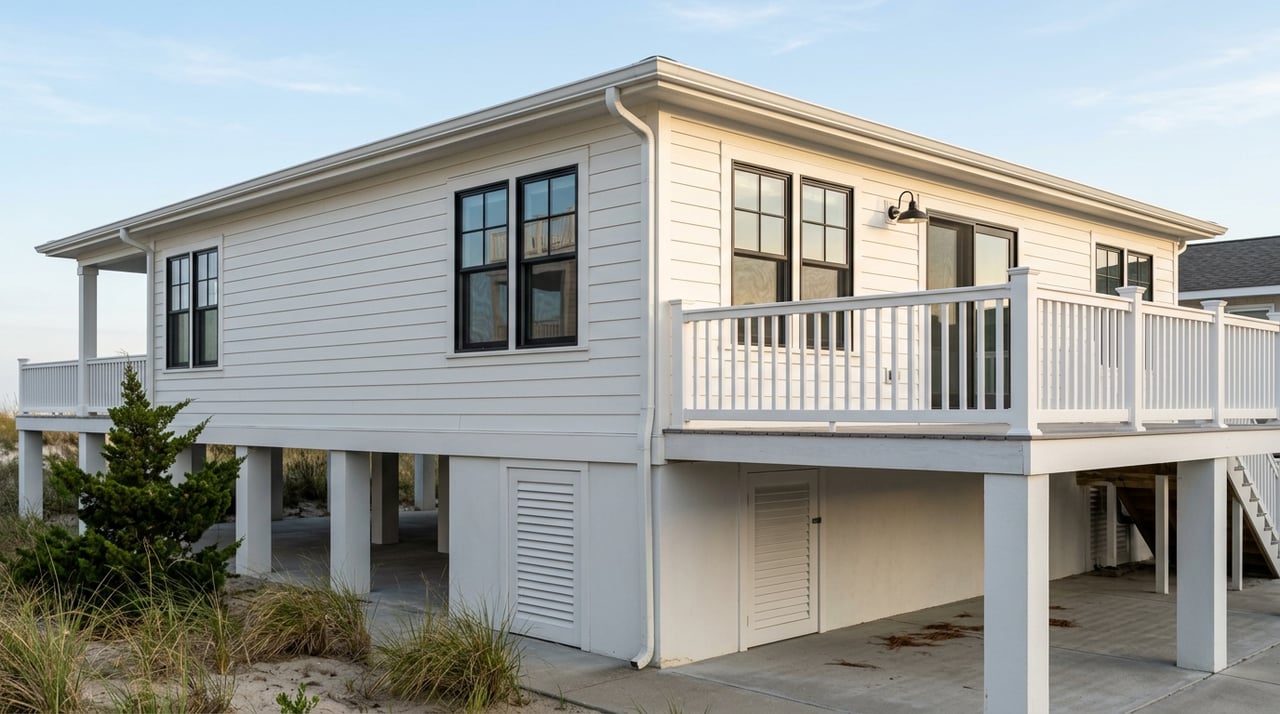
Building a home in Nags Head can be exciting, but it also comes with a layer of coastal planning that catches many buyers by surprise. If you are buying a lot or preparing for a custom build, you need more than a floor plan and a builder. You need a clear understanding of flood rules, permits, utilities, insurance, and inspections before construction starts. Let’s walk through the key steps that can help you plan with more confidence.
Start With Lot Feasibility
Before you think about design details, make sure the lot can support the home you want to build. In Nags Head, that means looking closely at flood-zone status, elevation requirements, setbacks, wastewater options, and stormwater planning.
The Town of Nags Head says staff can help you determine the flood zone, base flood elevation, FIRM panel details, mitigation measures, elevation certificates, and insurance information for a property. That early step matters because local elevation standards can affect both your design and your budget. The town notes a local elevation standard of 12 feet east of NC 12/SR 1243 and 9 feet west of those roads.
The town also adopted current effective flood maps on June 19, 2020. Those updates added a new AO zone west of the primary frontal dune and reduced base flood elevations in some remaining Special Flood Hazard Area locations. If you skip this review too early, you may end up choosing a lot that needs more elevation work or carries different insurance implications than expected.
Check Septic or Utility Access Early
Wastewater planning is another major part of lot selection. The Town of Nags Head says about 80% of properties use septic, so many buyers need to confirm septic feasibility before moving forward.
Dare County’s septic process begins with a site evaluation, followed by an improvement permit. After that, you need a construction permit that requires proof of an approved water source and house plans, and the process ends with an operations permit after final inspection.
If your new build is inside The Village at Nags Head, the path may be different. The town’s checklist calls for a connection-approval letter from Carolina Water Service Company instead of septic paperwork. That is one reason your utility answer should come early, not after plans are already underway.
Understand Oceanfront Setbacks
If you are considering an oceanfront lot, setback rules deserve extra attention. In North Carolina, the oceanfront construction setback is based on shoreline change, not just lot depth.
NC DEQ says the setback is measured from the first line of stable natural vegetation or a pre-project line, and the required distance depends on structure size and erosion rate. DEQ also notes that erosion rate is a long-term average, not a prediction of a single storm season. For buyers, that means an oceanfront lot may have more constraints than it appears to have on paper.
Plan for Stormwater From the Beginning
Stormwater should be part of your lot review before clearing begins. Nags Head says all residential developments must prepare a stormwater management plan, and that plan can be sketched by the contractor or applicant on a site development plan.
Town staff can also help with tree retention and open-space areas early in the process. That guidance can help you avoid redesigns later and protect usable space on the lot.
Learn the Nags Head Permit Path
A successful new build in Nags Head is not just about construction. It is also about moving through the right local reviews in the right order.
The Town of Nags Head Planning and Development Department issues permits for new residential construction and reviews projects for zoning, stormwater, flood, and North Carolina Building Code compliance. Depending on where the property is located, CAMA and NFIP requirements may also apply.
The town’s development permit form asks for detailed property and design information. That can include flood zone, base flood elevation, regulatory flood protection elevation, lot coverage, setbacks, height, and roof pitch.
Know What May Be Required
The residential submittal checklist may also require:
- A signed development permit application
- A septic improvement permit, if applicable
- A copy of the CAMA permit, if applicable
- NFIP V-zone certification, if applicable
- Survey details such as flood zone boundaries, CAMA setbacks, septic locations, and wetland delineations when relevant
- A residential design guidelines point tabulation form, if applicable
This is why buyers should not treat permitting as a last-minute contractor task. Permit requirements can influence what you can build, where it can sit on the lot, and how long the process may take.
Coastal Permits Matter
For coastal development, NC DEQ says the CAMA permit system includes major, general, and minor permits. Single-family homes require minor permits.
DEQ also says permit decisions consider Coastal Resources Commission rules and the local government land-use plan. In practical terms, that means lot feasibility and permit feasibility go hand in hand.
Large Custom Homes May Need Extra Review
If you are planning a larger custom home, design review may also enter the picture. Nags Head’s Residential Design Guidelines may apply to new residential construction with 3,500 square feet or more of heated living area, though the guidelines are not required by ordinance.
The point system is intended to encourage a coastal or Nags Head architectural style. Even when not mandatory, it is smart to know whether your plans may be reviewed under these guidelines.
Vet Your Builder, Lender, and Insurance Team
Your lot and plans are only part of the equation. The professionals you choose can shape your timeline, budget, and peace of mind.
Confirm Builder Licensing
In North Carolina, a general contractor license is required if the project is valued at $40,000 or more. The NC Licensing Board for General Contractors says homeowners should get proof that the contractor is licensed.
That simple step can help you verify that your builder meets state requirements. It is one of the easiest ways to reduce risk before work begins.
Coordinate Financing With the Build Timeline
Construction financing often moves differently than a standard home purchase. A construction-to-permanent loan may involve multiple advances during construction and later convert to permanent financing.
For you, that means your lender, builder, and permit schedule need to stay aligned from the start. If one part of the process lags, it can affect the others.
Get Insurance Quotes Early
Insurance is a major planning item for a Nags Head build. The town says a standard homeowners policy does not cover flood losses, and properties in a Special Flood Hazard Area with federally supported mortgages must carry flood insurance.
Nags Head also notes that town properties receive a 20% flood-insurance discount through the Community Rating System. At the same time, the North Carolina Department of Insurance says windstorm and hail coverage may be excluded from the primary homeowners policy and is often written by the North Carolina Insurance Underwriting Association.
Timing matters here too. The town notes there is a 30-day waiting period after purchase before flood coverage becomes effective. That is another reason to talk with insurance professionals well before closing or construction start.
Expect Milestones and Inspections
Once construction begins, the process continues in stages. In Nags Head, Planning and Development staff handle building-code plan review, floodplain plan review, scheduling, and flood-related inspections.
That means your project runs on both a construction schedule and a permit-and-inspection schedule. Delays are not always about labor or materials. Sometimes they come from waiting on approvals, inspections, or required documentation.
If your property uses septic, Dare County adds another final stage through the operations permit after inspection. So instead of expecting one final signoff at the end, plan for milestone reviews throughout the build.
Think Beyond Move-In Day
A coastal home needs planning that extends past construction. If you are buying oceanfront property, dune and sand management may be part of long-term ownership.
Nags Head’s dune management program offers cost-share assistance of up to $1,000 per lot for approved native dune vegetation. The town also notes that separate permits may be needed for dune-impacting work, and that sand relocation work is CAMA-related.
That does not mean every owner will face the same maintenance needs. It does mean coastal stewardship should be part of your long-range budget and expectations.
Why Local Guidance Helps
New construction in Nags Head is rewarding, but it is rarely simple. Between flood standards, oceanfront setbacks, septic or utility decisions, permits, insurance, and inspections, the process works best when you understand the site before you fall in love with the plan.
That is where local coordination can make a real difference. The right guidance can help you ask better questions early, avoid preventable surprises, and move from lot search to finished home with a clearer strategy.
If you are thinking about building in Nags Head, working with a local team that understands lots, coastal requirements, and the Outer Banks building process can save time and stress. Connect with Brad Beacham for thoughtful, local guidance as you plan your next step.
FAQs
What should you check before buying a lot in Nags Head for new construction?
- You should confirm flood zone details, base flood elevation, local elevation standards, septic or utility options, oceanfront setback issues if relevant, and stormwater planning needs before committing to the lot.
What permits are commonly needed for a new build in Nags Head?
- A new build may require a town development permit, flood-related documentation, septic approvals or utility connection approval, and a CAMA minor permit for a single-family home in coastal areas when applicable.
Does a new home in Nags Head always need septic approval?
- Not always. Many Nags Head properties use septic, but some locations, such as The Village at Nags Head, may require a utility connection-approval letter instead of septic paperwork.
Why is flood insurance such an important issue for Nags Head buyers?
- The town says standard homeowners insurance does not cover flood losses, some mortgaged properties in Special Flood Hazard Areas must carry flood insurance, and flood coverage also has a 30-day waiting period after purchase.
How do oceanfront setback rules work for new construction in Nags Head?
- For oceanfront lots, North Carolina measures setbacks from the first line of stable natural vegetation or a pre-project line, and the required distance depends on structure size and the long-term erosion rate.
What should you ask a builder before starting a Nags Head new build?
- You should ask for proof of North Carolina general contractor licensing if the project value is $40,000 or more, and you should also discuss how the builder handles permits, inspections, schedules, and coordination with lenders and insurers.