Winter on the Outer Banks feels different the moment you arrive. The beaches are quiet, traffic is light, and you can actually hear the wind and waves. If you are thinking about buying in Nags Head, this calm season can be a smart time to tour, gather data, and position yourself for a confident decision by spring. In this guide, you will learn how the off-season shapes pricing, logistics, inspections, and insurance, plus what to check during a winter visit. Let’s dive in.
Winter market dynamics in Nags Head
OBX real estate follows a strong seasonal rhythm. Summer brings more listings, more in-person buyers, and a vacation-rental mindset that lifts demand. In winter, activity slows. That usually means fewer new listings, fewer competing buyers on the ground, and more time to evaluate each property.
Inventory often looks lower because some owners pause listings or use homes themselves. Properties that stay on the market tend to be investor-held rentals, motivated sellers, or homes that did not sell in peak months. You may find more room to negotiate on price or terms, especially on longer-on-market listings. That said, turnkey homes with strong rental histories can hold value year-round.
Comparable sales can be sparse in winter. When you analyze value, widen your look-back to 6–12 months and consider seasonal rental performance if you plan to rent. Days on market often lengthen, and sellers may entertain credits, repairs, or flexible closing timelines to move a deal outside peak season.
What changes about touring in winter
Showings typically require more coordination. Many OBX homes are managed remotely, winterized, or occasionally occupied. Confirm access with the listing agent or manager and make sure utilities are on for your visit. Short daylight hours mean you should plan extra time for exterior and roof checks.
Weather and tides shape what you can see. Check the forecast and tide tables before you go so you can observe shoreline conditions at different water levels. The National Weather Service Morehead City provides local updates and seasonal norms that help you plan site time.
Expect some local businesses to operate on reduced schedules in the off-season. This is a good chance to see what daily life feels like without summer crowds. The Outer Banks Visitors Bureau is helpful for confirming seasonal hours, events, and area services during winter.
Inspections and repairs in colder months
Most inspectors work year-round, and winter can make scheduling easier. Some exterior work is weather-dependent, so confirm scope and timing up front. If conditions limit roof or exterior assessments on your inspection day, ask about a follow-up visit when weather improves.
Focus on winter-specific signs. Look for wet crawlspaces, ponding near foundations, and corrosion on connectors and fasteners under elevated homes. Test the heating system and review maintenance records. Ice damming is uncommon here, so your attention should be on flashing, siding, seals, and any evidence of water intrusion.
If you plan upgrades or contractor work in spring, start booking now. Some trades reduce staff in winter, while others have more availability for non-emergency projects. Early planning can secure better timelines.
Insurance, flood, and permits to confirm early
The OBX is a high-flood-risk coastal zone, so do your homework on flood data and coverage. Review the parcel on the FEMA Flood Map Service Center and request an elevation certificate if available. You can learn how elevation certificates work through FEMA’s guidance. These documents help you estimate flood insurance and understand risk.
For wind and hurricane coverage, contact local insurance professionals early. Ask about wind mitigation inspections and any credits for things like roof tie-downs or storm shutters. The North Carolina Department of Insurance outlines coastal policy considerations and resources you can use when comparing options.
If you plan to operate a short-term rental, confirm current rules, permitting, and tax remittance requirements. Start with Dare County for county-level guidance and the Town of Nags Head for local ordinances and permits. Oceanfront or soundside projects may also need additional approvals, so ask early about any dune, bulkhead, or shoreline work.
On-site winter checklist for buyers
Use this checklist to make the most of a winter visit.
Before you go
- Confirm your appointment and that utilities will be on.
- Check weather and tides to plan shoreline observations.
- Bring a camera, flashlight, tape measure, notepad, and waterproof footwear.
Exterior and site
- Dunes and beach: note dune condition, erosion, and access points.
- Shoreline infrastructure: check seawalls, bulkheads, and revetments for wear.
- Drainage and elevation: look for standing water and high-water marks.
- Access: observe driveway, nearby roads, and any flooding indicators.
Structure and exterior details
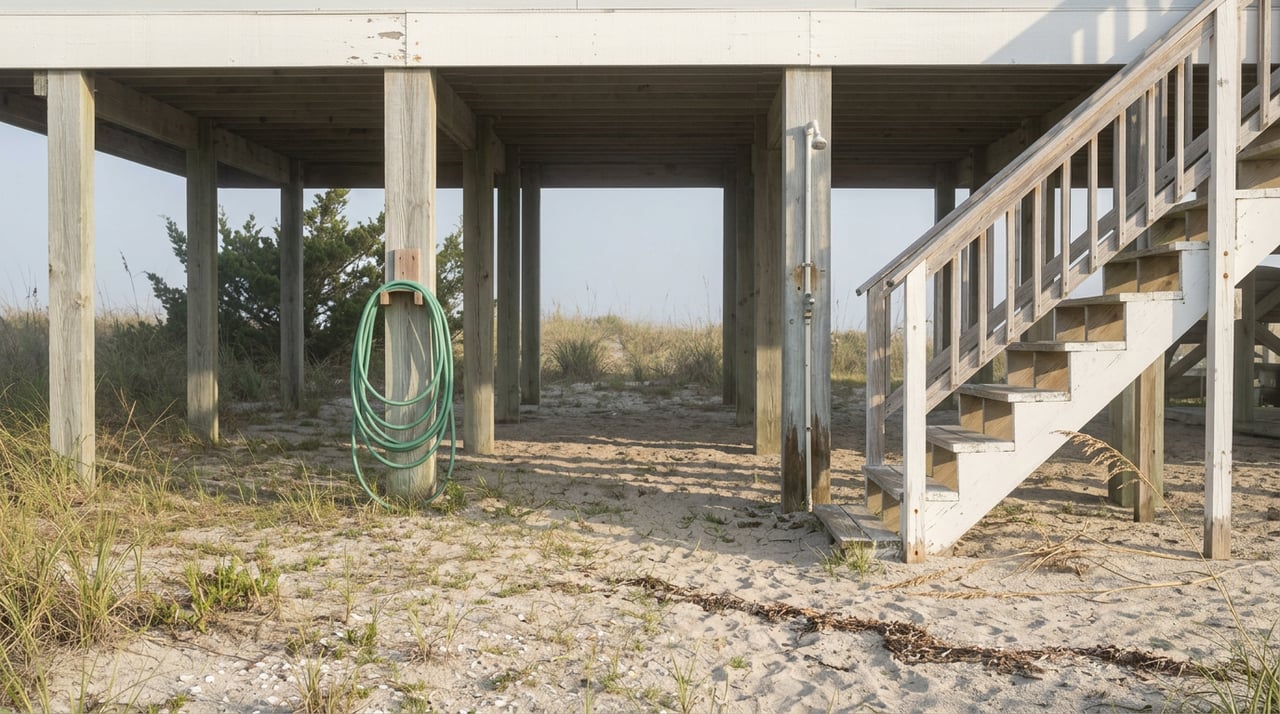
Pilings and skirting: check for rot, splits, rust, or borer damage.
Siding and trim: look for seal failures, flashing issues, and paint wear.
Roof and gutters: check visible shingles and likely water entry points.
Decks and stairs: test for firmness and inspect fasteners.
Interior and systems
- HVAC: run heat and review service records.
- Crawlspace and attic: check moisture, insulation, and signs of pests.
- Windows and doors: look for corrosion, drafts, and staining.
- Plumbing: look for winterization signs and test water pressure.
- Odor and mold: note any mustiness that hints at moisture problems.
Document what you see
- Boundaries, buffer areas, and any wetlands or marsh adjacency.
- Proximity to year-round services and any seasonal business hours you observe.
- Nearby construction or planned projects that could affect views or access.
Data to gather now for spring decisions
Winter is ideal for collecting the documents and numbers you will use to model value and readiness.
- Financial and rental data: request 12–24 months of month-by-month revenue and occupancy, seasonal rate schedules, and all management and cleaning costs.
- Agreements and operations: obtain copies of active rental agreements, platform performance summaries, and guest review trends.
- HOA or condo info: confirm dues, reserve studies, and any special assessments.
- Property condition: compile inspection reports, repair invoices, and maintenance records for major systems.
- Risk and insurance: gather flood and wind policy histories, premiums, claims, and any mitigation certificates or elevation documents.
- Title and access: confirm easements, beach access rights, and any restrictions.
- Market context: review recent comps over 6–12 months and relevant seasonal rent comps. Your agent can pull local MLS metrics like days on market and sale-to-list ratios.
How to use the off-season to your advantage
Plan for flexibility around holidays and reduced service hours. Schedule showings and contractor walk-throughs ahead of time, and allow space for weather shifts. If a full inspection is not possible on one day, set a phased approach that covers interior systems first and exteriors when weather clears.
Use the quiet season to study infrastructure and risk. You can better see dune lines, drainage paths, shoreline access, and neighborhood traffic patterns without summer crowds. If you intend to start projects in spring, get on contractor calendars now and begin permit conversations with the town.
What may not change in winter
Not every property will discount. Highly desirable homes with strong rental histories or exceptional locations can remain price-resilient in any season. Lower inventory can also mean fewer options, even if competition eases.
That is why local, property-specific context matters. Ask for the most recent sales and rental comps and study month-by-month detail rather than yearly averages. Solid data helps you set a realistic offer and timeline.
Ready to walk OBX this winter?
If you want to tour Nags Head with a clear plan, lean on local guidance. We coordinate winter showings, confirm utilities, and help you gather the right inspections, rental data, and insurance details so you can act with confidence when the right home appears. When you are ready, connect with Brad Beacham for a thoughtful, local-first approach to buying on the Outer Banks.
FAQs
Is winter a good time to buy in Nags Head?
- Winter brings fewer in-person buyers and longer days on market, which can reduce competition and open space for negotiation, though top-tier homes can still command strong prices.
How do OBX flood maps affect buying a beach house?
- FEMA flood zones and elevation influence risk and insurance costs, so review the parcel on the FEMA map, request an elevation certificate, and get quotes before you make an offer.
Can I complete inspections during winter in the OBX?
- Yes, most inspectors work year-round; some exterior items are weather-dependent, so plan a phased inspection if conditions limit roof or exterior access.
What should I ask a property manager about off-season rentals?
- Request month-by-month revenue and occupancy, seasonal rate schedules, cleaning and management fees, and any active bookings or contracts that will carry over after closing.
Do ferry schedules or closures affect OBX house hunting?
- Ferry service runs year-round with adjusted off-season schedules, so check NCDOT updates before planning island trips and allow extra time around weather.
What permits might I need for oceanfront or dune work in Nags Head?
- Many shoreline projects require approvals from the town and other agencies, so start with Nags Head permitting staff to understand timelines and any additional coastal reviews.