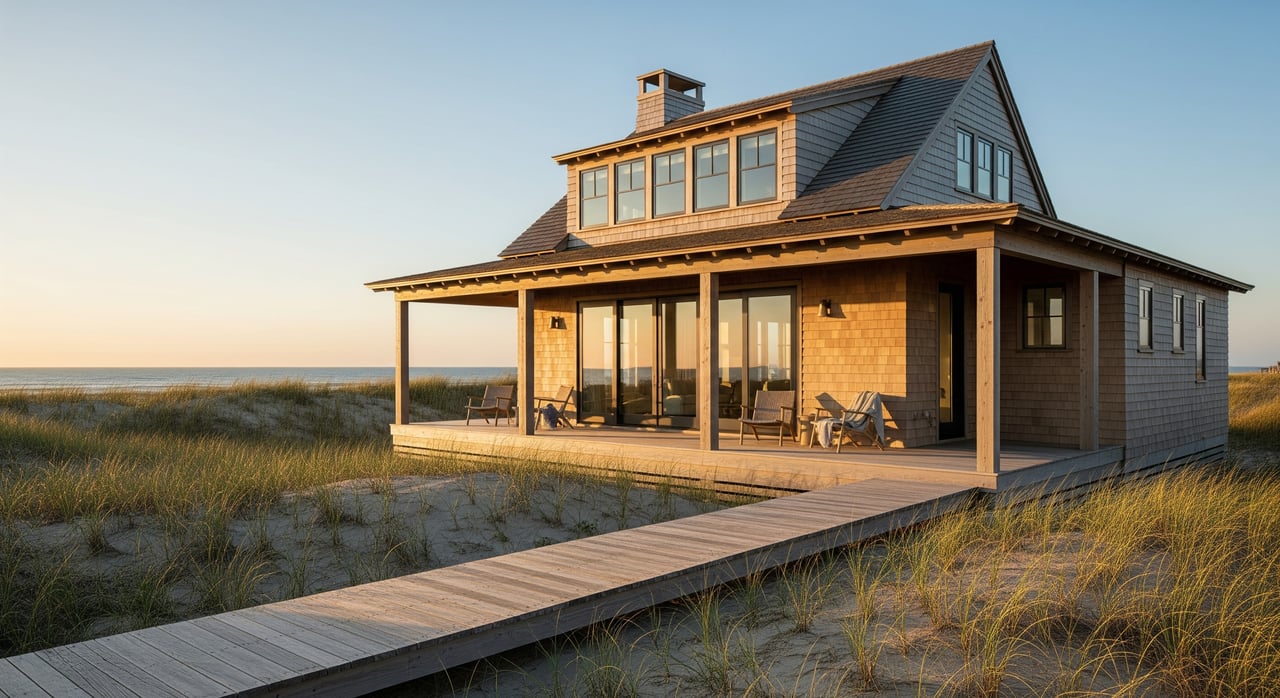
Planning your Waves rental calendar without a clear view of seasonality can leave money on the table. You want strong summer bookings, reliable shoulder-season income, and smooth turnovers that keep guests coming back. In this guide, you’ll learn how demand ebbs and flows in Waves, what weekly calendars convert best, which amenities lift rates, and how to staff and price for a full 2026. Let’s dive in.
Waves seasonality at a glance
Waves sits on Hatteras Island, where demand concentrates from late spring through early fall. Peak season typically runs from late June through early August, with the highest demand in early to mid-July and around July 4. The broader high-demand period spans Memorial Day through Labor Day.
Shoulder seasons include May to early June and late August through October. These weeks often attract anglers and fall travelers, and they convert well with shorter stays or mid-week arrivals. Off-season runs from November through March and can work for discounted weekly stays or longer winter rentals.
Peak-week reservations are often made 6 to 12 months in advance, especially for July and holiday weeks. Shoulder and off-season bookings tend to come closer to arrival and respond to last-minute value and flexible terms.
Weekly calendar that wins bookings
Summer in the Outer Banks revolves around weekly stays. The most common pattern is Saturday-to-Saturday for peak weeks. Keeping one set turnover day simplifies operations, supports guest expectations, and helps you reach near-full occupancy in July.
During shoulder and off-season weeks, open your minimums to 3 or 4 nights and allow mid-week arrivals. Holiday weeks like Memorial Day, July 4, and Labor Day typically command full-week bookings and premium pricing. If a shoulder week borders a peak week, consider holding the Saturday-to-Saturday rule.
Pricing levers by amenity
Amenities can shift demand and justify rate premiums. Focus on the features guests look for in Waves:
- Oceanfront or direct beach access. This is the marquee premium and outperforms sound-side or inland locations.
- Private pool. A heated option adds value in spring and fall when it can extend the usable season.
- Hot tub. Popular in shoulder and late-fall periods and a meaningful rate enhancer.
- Pet-friendly policy. Expands your audience and fills gaps, though it requires extra cleaning and wear allowances.
- Updated kitchen and finishes. Drives higher ADRs, stronger reviews, and more repeat bookings.
- High-speed internet, on-site laundry, streaming-ready TVs, and outdoor shower. Small upgrades that reduce friction and boost conversion.
- Parking, fenced yard, bike storage, and covered decks. Helpful for family groups and multi-generational stays.
Package your pricing with clear fee logic. Most owners charge a base weekly rate plus a cleaning fee and optional add-ons for pets or pool heat. Early-bird and multi-week discounts can lock in occupancy ahead of time. Keep 7-night minimums in peak season, relax minimums in shoulder weeks, and stay flexible in the off-season.
Sample 2026 revenue plan
Here is a hypothetical example to show the math and planning approach. Adapt it with your comps, rates, and calendar.
Property profile: 4-bedroom oceanview Waves home, sleeps 8, private pool with heat option, hot tub, pet-friendly, Saturday-to-Saturday in high season.
Pricing assumptions
- Peak weekly ADR: $6,000
- Shoulder weekly ADR: $3,200
- Off-season weekly ADR equivalent: $1,200
- Pool heat fee: $250 per week when purchased
- Pet fee: $150 per stay
- Cleaning fee: $350 per turnover
Occupancy assumptions
- Peak weeks booked: 95 to 100 percent
- Shoulder weeks booked: 40 to 70 percent
- Off-season weeks booked: 10 to 30 percent
Example annual revenue (illustrative)
- Peak: 13 weeks × $6,000 = $78,000
- Shoulder: 8 booked weeks × $3,200 = $25,600
- Off-season: 6 booked weeks × $1,200 = $7,200
- Add-ons: pool heat and pet fees combined ≈ $2,294
- Total gross before cleaning fees ≈ $113,094
Track the right metrics so you can adjust in real time:
- ADR and occupancy rate by season
- RevPAR and gross rental income vs. net
- Bookings by lead time and cancellation rate
- Turnover cost per booking and net income per booked week
- Break-even occupancy based on your fixed costs and contribution margin
Run sensitivity tests. For example, see how adding pool heat or a pet policy changes annual revenue, or what happens if you trim peak ADR by 10 percent to capture an extra week.
Operations and turnover playbook
Consistent operations protect your reviews and unlock repeat business. Standard times often target 10 to 11 AM check-out and 3 to 4 PM check-in to allow same-day turnover. Cleaning can take 4 to 6 hours for smaller homes and 8 to 12 hours or more for larger homes with pools and linens.
Use a standardized checklist for housekeeping and maintenance. Confirm linen counts, replenishment of consumables, and a photo verification process after each clean. Schedule weekly pool and hot tub service, plus pre-arrival checks on non-turnover days whenever possible.
Build capacity for Saturdays in summer. If you manage more than one home, cross-train staff, create a floating backup crew, and set an on-call rotation for maintenance. Communicate response windows to guests in your listing and pre-arrival instructions.
Staffing timeline for 2026
12 to 18 months before peak season
- Finalize which weeks are weekly vs. short stays.
- Refresh photos and amenity highlights to capture early demand.
- Consult local managers and set preliminary ADRs by season.
- Confirm local registration and tax compliance in Dare County.
6 to 12 months before peak season
- Release early-bird rates or incentives.
- Lock in housekeeping teams for Saturday turnovers and sign seasonal agreements.
- Schedule pre-season maintenance for decking, HVAC, and pool systems.
- Order or replace linens and guest supplies.
3 to 6 months before peak season
- Finalize pricing calendar, minimum stays, and holiday premiums.
- Assign cleaning rotations with backups and leads.
- Train staff on checklists, inventory, and photo verification.
- Confirm pool and hot tub heating availability.
4 to 8 weeks before peak season and rolling
- Confirm bookings and send arrival instructions.
- Reconfirm on-call maintenance schedules and response times.
- Complete pre-season property walkthroughs.
Week-of and day-of operations
- Conduct pre-arrival walkthroughs when possible.
- Verify access and linens for cleaners.
- Share emergency contacts and local info with guests.
Post-season actions
- Perform inventory and preventive maintenance.
- Review occupancy, ADR, and RevPAR vs. targets.
- Use guest feedback to plan upgrades for next year’s rates and occupancy.
Policies, fees, and guest rules
Align your fee structure with platform norms, but keep the guest experience front and center. Lower nightly rates paired with high cleaning fees can reduce visibility for price-sensitive travelers. Pet policies and pool heat can raise revenue and widen your audience, but they add cost and complexity. Build the extra cleaning, linen turnover, and maintenance into your plan.
Use clear house rules for noise, parking, maximum occupancy, and pet expectations. Communicate these in your listing and pre-arrival messages so guests arrive informed.
Compliance and safety basics
Confirm short-term rental registration and occupancy tax requirements for Dare County and the State of North Carolina. Ensure your insurance covers short-term rentals, pools, hot tubs, and pets with appropriate liability limits. Install and maintain safety devices such as CO detectors and GFI outlets, and provide clear emergency exit information.
Marketing and distribution tips
Position your listing for how guests shop the Outer Banks. Lead with ocean views or direct beach access, then showcase pools, hot tubs, and any new renovations. Professional photos and accurate, benefit-driven copy increase visibility and conversion.
Use local comparables on Hatteras Island with similar bed counts and proximity to the beach when setting rates. Dynamic pricing tools can help you track day-to-day demand and competitor moves, with manual controls for holiday weeks and special events.
Owner checklist for maximum occupancy
- Set weekly Saturday-to-Saturday in peak season; relax minimums in shoulder and off-season.
- Price holiday weeks at a premium and open early-bird incentives 6 to 12 months out.
- Highlight high-impact amenities: ocean access, pool heat, hot tub, pet-friendly policy.
- Standardize turnover checklists and photo verification.
- Staff for Saturday capacity with backups and on-call maintenance.
- Track ADR, occupancy, RevPAR, and lead times to adjust quickly.
- Review performance post-season and reinvest in upgrades that drive ADR and reviews.
When you build your calendar, pricing, and staffing around Waves’ seasonality, you create a smoother operation and a stronger bottom line. If you want a locally informed plan tailored to your property and goals, connect with Brad Beacham for guidance across acquisition, rental positioning, and resale.
FAQs
What is peak rental season in Waves, NC?
- Peak demand typically runs from late June through early August, with the strongest weeks around early to mid-July and the July 4 holiday.
How far in advance do summer weeks book in Waves?
- Prime July and holiday weeks often book 6 to 12 months ahead, especially with repeat Outer Banks guests.
What check-in and check-out days work best in Waves?
- Saturday-to-Saturday dominates summer. In shoulder and off-season periods, allow 3 to 4 night minimums and mid-week arrivals.
Which amenities boost pricing for Waves rentals?
- Oceanfront access, a private pool with heat, a hot tub, and pet-friendly policies are consistent demand drivers that support higher rates.
How should I plan housekeeping and maintenance on turnover day?
- Target 10 to 11 AM check-out and 3 to 4 PM check-in, standardize checklists, and schedule pool and hot tub checks on non-turnover days when possible.
What local rules and taxes apply to Waves short-term rentals?
- Expect occupancy tax collection and possible registration requirements in Dare County and North Carolina, plus local rules for noise, parking, and maximum occupancy.