Ever wonder what it’s like to start your day with sunrise glinting across the Currituck Sound and end it with sandy feet and a quiet walk under pastel skies? If you’re weighing a second home or a move to the northern Outer Banks, Duck’s slower pace and walkable village can feel like a deep breath. You also want the real picture of daily life across seasons, from beach access to storm prep and maintenance. This guide gives you the lived-in details so you can decide if Duck fits your lifestyle. Let’s dive in.
The village shapes your pace
Duck sits on a slim ribbon of land between the Atlantic and the Currituck Sound. That geography sets a simple rhythm. You move in lines: bike or stroll through the village, pop onto the soundside boardwalk, or cross to an oceanside access for the beach.
Walkable village core
Duck’s heart is compact and easy to navigate. You can grab coffee, browse a gallery, and pick up fresh seafood without getting back in the car. Sidewalks and bike lanes encourage you to linger. Parking exists, but its limits naturally keep the village human-scaled and pleasant.
You feel it in the details. Morning light filters through café windows. Bicycles lean against railings with beach towels draped over the bars. Small shops showcase local art and coastal finds. Evening strolls turn errands into a social loop.
Soundside boardwalk
The soundside boardwalk is a daily habit for many residents. Early risers walk or jog past quiet coves. Families push strollers to shaded benches. Birders scan the marsh. At sunset, the boardwalk becomes a front-row seat for the show, with broad views that calm the day.
Public parks and pocket greens along the boardwalk invite unplanned conversation. It’s a low-key social scene that fits Duck’s conservation-minded character.
Ocean beaches and access
Duck’s oceanfront delivers wide sand, rolling dunes, and the classic Outer Banks horizon. Dune crossovers protect fragile landscapes and shape how you reach the beach. Parking and access points are more limited than large resort strips, which keeps the experience quieter.
You learn the timing. Locals often favor early mornings and late afternoons for the most peaceful walking, shell hunting, and surf watching. Midday in summer is busier but still feels relaxed compared with bigger beaches.
Seasons set your routine
Duck is distinctly seasonal. The same town offers different kinds of days depending on the month.
Summer energy
In summer, the village hums. Restaurants extend hours, and live music or small events pop up on certain nights. Paddleboards and kayaks dot the sound by day, while beach wagons head over dune walkways. Expect more foot traffic and a lively, family-oriented feel.
Shoulder seasons
Spring and fall are favorites for many owners. The weather is comfortable, crowds thin, and most amenities remain open. These months reward long walks, casual bike rides, and slow afternoons on a deck with a book. If you’re relocating, shoulder seasons are a great time to sample day-to-day life.
Winter quiet
Winter brings calm. Some businesses reduce hours or close, and the village feels like a small coastal town again. Year-round neighbors form the core of daily life, and clear, crisp sunsets over the sound steal the show. It’s a restorative season if you enjoy space and quiet.
Outdoor life every day
Duck’s layout makes outdoor time almost effortless. Calm sound waters and open ocean give you two different playgrounds.
Calm on the sound
Protected waters make the Currituck Sound ideal for kayaking, paddleboarding, and casual boating. Anglers cast from docks and quiet coves. Morning glass-off conditions invite a quick paddle before breakfast. Even a short stroll on the boardwalk can turn into wildlife watching.
Oceanside rhythm
On the ocean side, you get surf, beachcombing, and long walks at low tide. You plan around surf conditions and rip current awareness. Beach days can be as simple as a towel, a chair, and a good hat.
Nature at your doorstep
Marsh grasses sway with the breeze. Shorebirds and waterfowl move through with the seasons. Dolphins sometimes surface offshore. It’s a daily, slow-time backdrop that reminds you why you came.
Homes and how you live in them
Duck’s housing stock is mostly single-family homes, from oceanfront to soundside and interior streets. Architecture stays low-rise and coastal in character.
Decks, pilings, and views
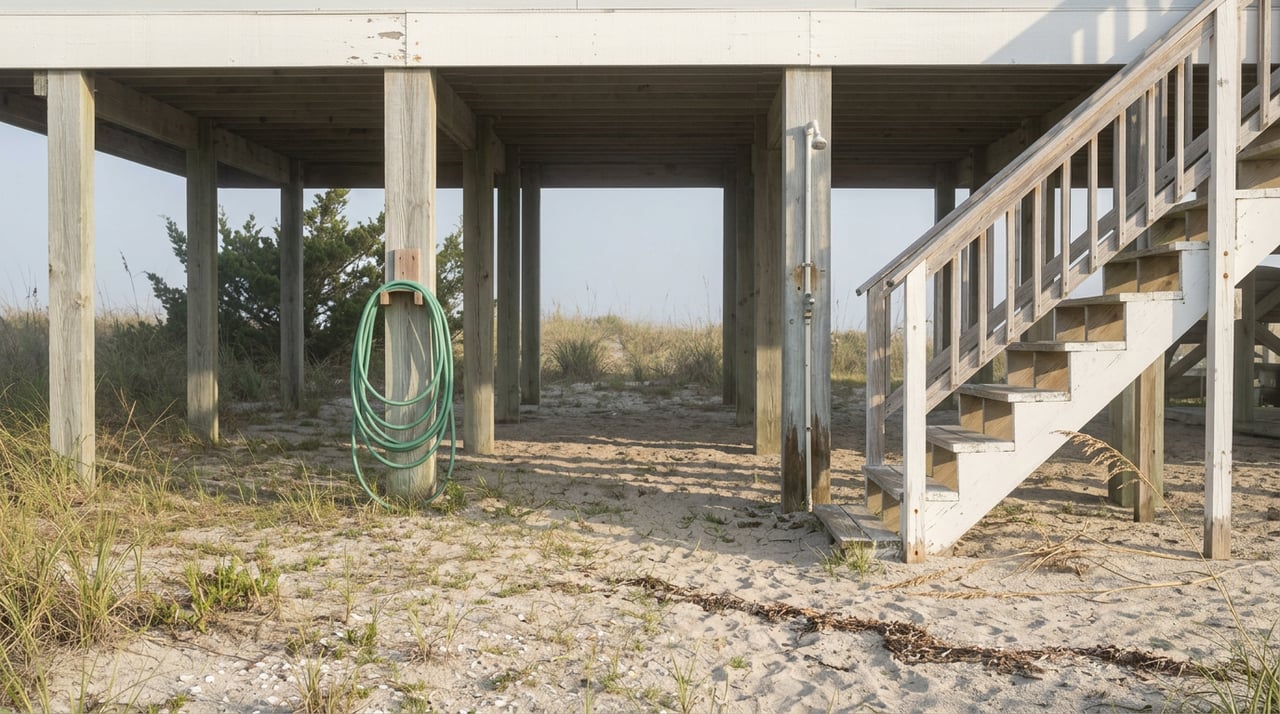
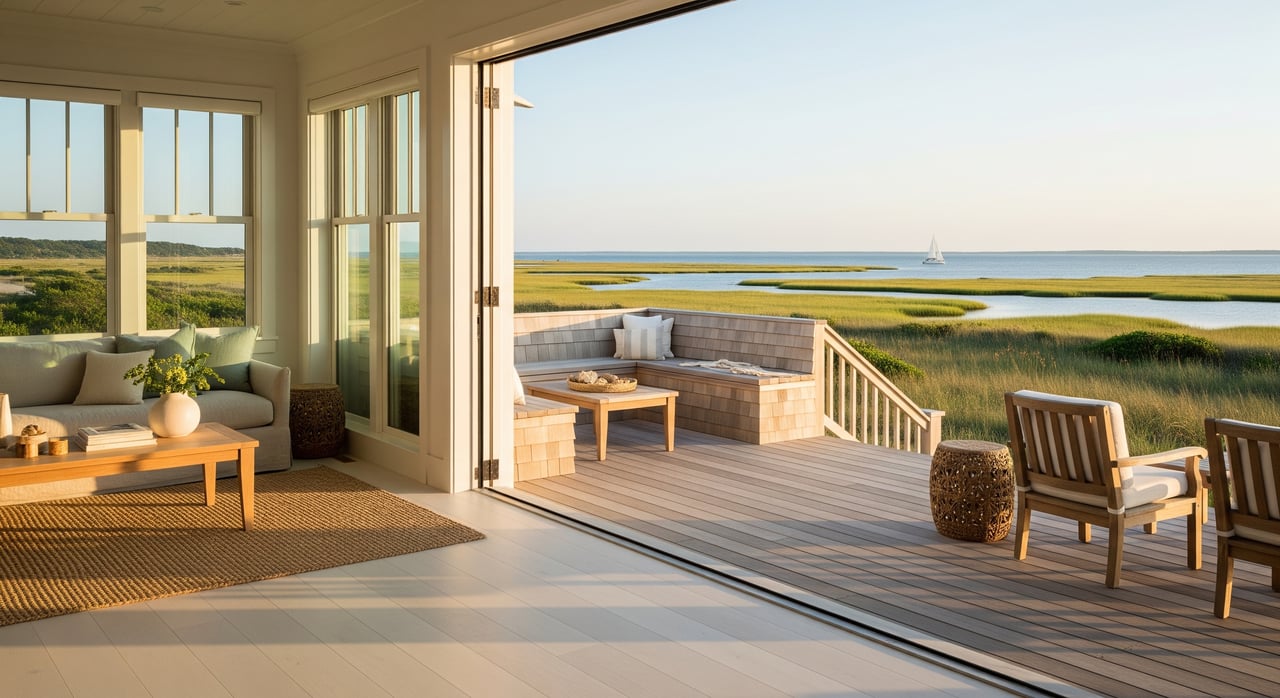
Many homes are elevated and feature multi-level decks. That design becomes part of your routine. Breakfast on a sound-facing porch. Afternoon shade on a mid-level deck. Sunset views with friends on the top level. Outdoor spaces are extensions of the living room.
Second home or year-round
If you own a second home, your calendar often centers on long weekends, summer weeks, and shoulder-season getaways. Local vendors help with cleaning, landscaping, and routine checks when you are away. Year-round residents settle into a tight-knit rhythm with fewer immediate services than larger towns, trading convenience for privacy and pace.
Rentals and neighborhood feel
Short-term rentals are a long-standing part of the Outer Banks fabric. In peak season, you’ll notice more turnover, extra cars, and daytime activity. Local rules and HOA covenants vary by area and can address parking or rental guidelines. It’s wise to understand neighborhood norms before you buy.
Practicalities to plan for
Coastal living is rewarding, and it comes with a few realities to plan around.
Maintenance mindset
Salt, wind, and sand ask more of your exterior. Expect regular attention to paint, decking, railings, fasteners, and hardware. Many owners choose corrosion-resistant materials and schedule planned maintenance so small issues stay small.
Services and supply
Duck’s commercial base is smaller than mainland centers. Delivery schedules, contractor timelines, and store hours can ebb and flow with the season. You adapt by ordering ahead, building local relationships, and using shoulder seasons for bigger projects.
Weather and preparedness
The Outer Banks experiences tropical storms and hurricanes. Homeowners tend to keep basic supplies at the ready and maintain an evacuation plan. Flood risk and insurance are part of responsible ownership, and elevation requirements and building codes shape how homes are designed.
Conservation and character
Local governance emphasizes protecting dunes, wetlands, and the town’s low-scale feel. You’ll see that in landscaping choices, boardwalk care, and how public spaces are managed. Many residents take part in meetings or volunteer days that support that ethos.
A day in Duck
Picture a simple, satisfying day. You bike to a coffee shop as sunlight hits the sound. A slow stroll on the boardwalk turns into a chat on a bench. Midday, you walk over the dunes for an easy beach session, then head back for a late lunch in the village.
Afternoon brings a paddle on quiet water while ospreys circle overhead. You rinse off sandy feet, settle on the deck with a coastal breeze, and watch the sky shift from gold to lavender. The day ends with a short evening walk and a restful hush.
Is Duck right for you?
Every buyer weighs the tradeoffs. Use this quick lens as you consider a property in Duck:
Highlights
- Walkable, human-scaled village with a true sense of place.
- Quiet beaches and soundside boardwalk sunsets.
- Easy access to outdoor recreation without long drives.
- Strong conservation culture that protects character.
Practical realities
- Seasonal crowds in summer and reduced hours in winter.
- Ongoing exterior maintenance from salt, wind, and sand.
- Limited commercial options compared with larger towns or mainland.
- Weather awareness and storm preparedness are part of ownership.
If the idea of a slower pace, open skies, and everyday outdoor time speaks to you, Duck offers a lifestyle that many owners treasure for decades.
Ready to explore homes that match how you want to live in Duck? Reach out to the Outer Banks team that blends local roots with premium service. Connect with Brad Beacham for guidance tailored to your goals.
FAQs
Is Duck, NC busy year-round?
- Duck is highly seasonal, with lively summers and a calm, small-town feel in winter.
Can you walk to restaurants and shops in Duck, NC?
- Yes. The village core is compact and pedestrian-friendly, with sidewalks and bike lanes.
Are Duck beaches private or public?
- Beaches are public, but access points and parking are limited, which often keeps them quieter than larger resort beaches.
What maintenance should Duck homeowners expect?
- Plan for regular attention to paint, decks, railings, and hardware due to salt air, wind, and sand.
How does rental season affect neighborhoods in Duck?
- In peak months you may see more turnover, parked cars, and daytime activity; outside summer it’s much quieter.
What should relocators know about services in Duck, NC?
- Expect fewer immediate commercial options than mainland towns and seasonal variations in hours and contractor availability.
Do you need flood insurance for a Duck, NC home?
- Many coastal owners carry flood insurance; your individual need depends on property location, elevation, and lender requirements.