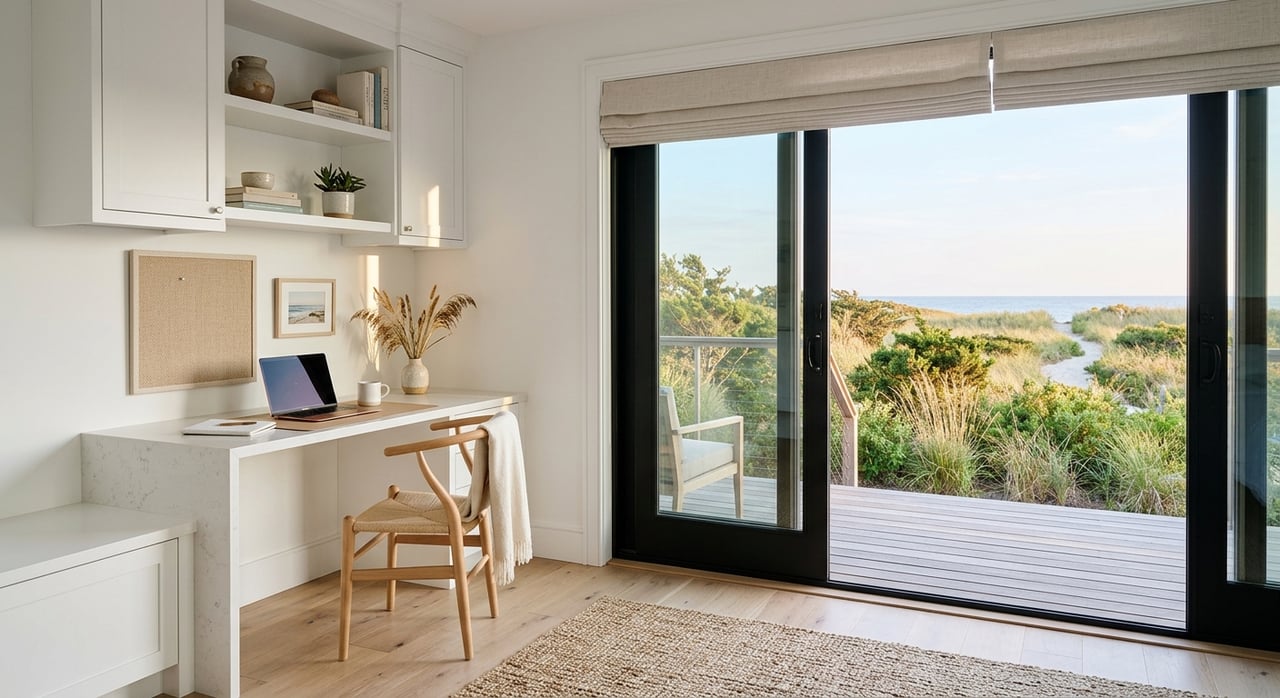
Wondering if Kitty Hawk is the right place to put down roots on the Outer Banks? It is a question many buyers ask when they want beach access, daily conveniences, and a community that can work beyond vacation season. If you are weighing a move to the northern OBX, understanding how Kitty Hawk actually lives day to day can help you make a smarter choice. Let’s dive in.
Why Kitty Hawk stands out
Kitty Hawk is not just one kind of place. The town has three distinct identities: a historic village core, a newer beach-residential area, and the Kitty Hawk Woods maritime forest. That mix gives you more lifestyle variety than you may expect in a barrier-island town.
The town serves both year-round residents and visitors, and the 2020 census counted 3,689 residents. The age mix includes 16.5% ages 5 to 19 and 22.4% age 65 and over, which points to a community that can fit both families and retirees. In other words, Kitty Hawk is more than a seasonal beach market.
What daily life feels like
If you want a town that feels coastal but still practical, Kitty Hawk often lands in the sweet spot. Its land-use plan describes beach-oriented residential and resort uses along US 158 and NC 12, with residential and local-serving businesses along Kitty Hawk Road. That gives many parts of town a lived-in feel, not just a visitor-driven one.
Kitty Hawk Village and Kitty Hawk Beach feel different from each other. Village areas tend to be more year-round, while beach areas are often more seasonal. For you as a buyer, that means the right fit may come down to the specific part of town, not just the town name.
Housing in Kitty Hawk
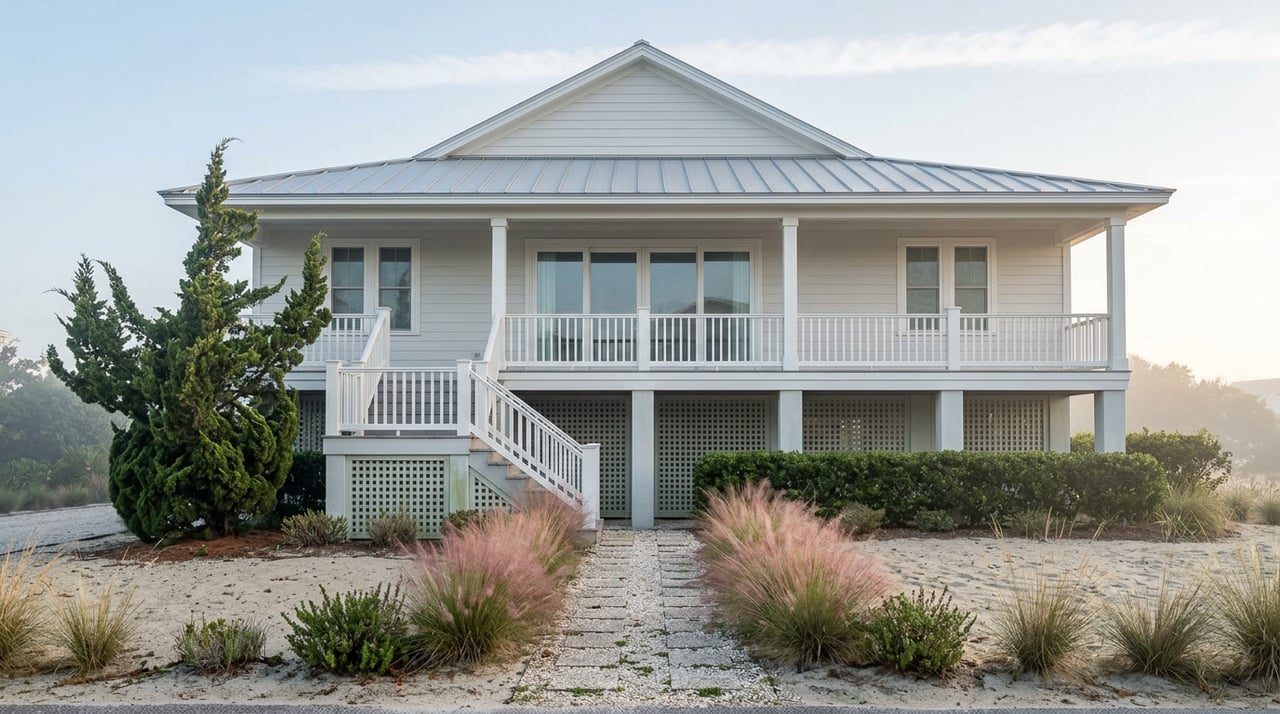
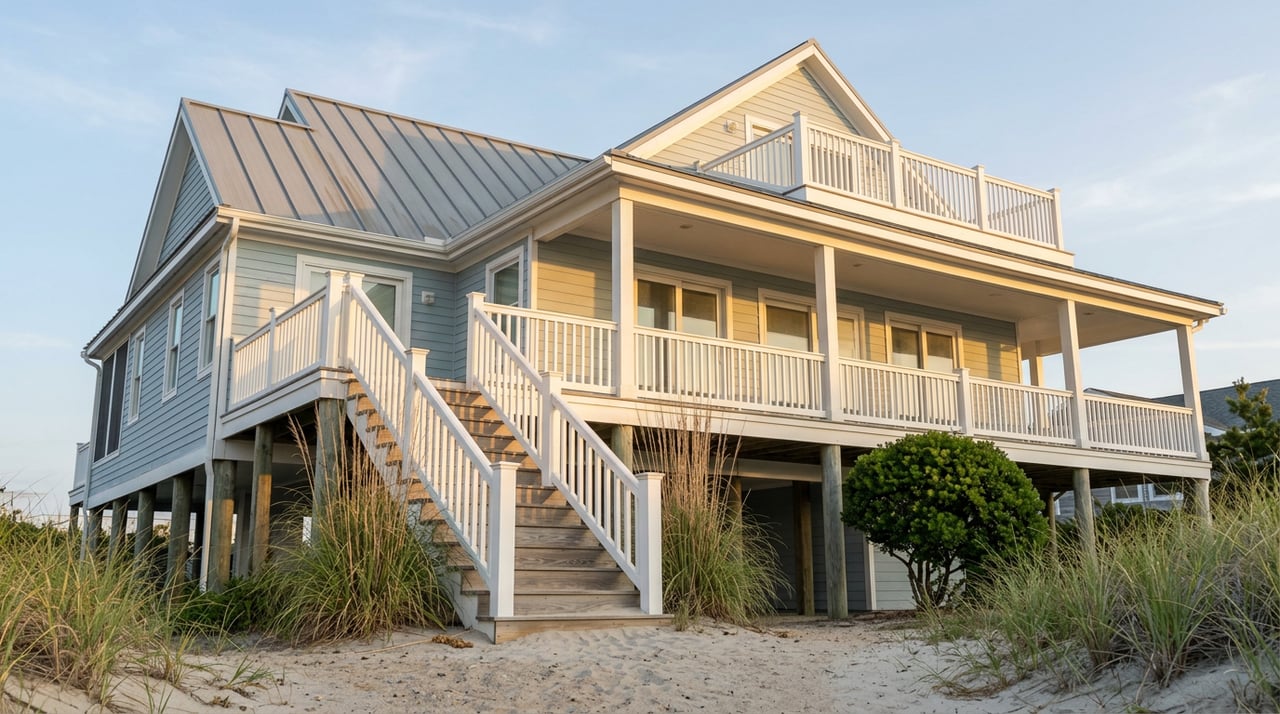
Kitty Hawk’s housing stock leans heavily toward detached homes. Of the town’s 3,582 housing units, about 70% are single-family detached homes, with smaller shares of apartments, duplexes, townhomes, triplexes and quads, and mobile or other housing types. If you are looking for the classic coastal house setup, you will find a lot of it here.
The occupancy pattern matters just as much as the housing type. The town reports that 40% of homes are owner-occupied, 9% are renter-occupied, and 51% are vacant, with many of those vacant units used seasonally or as short-term rentals. The same planning data show 465 units available for long-term rental and 1,515 units used for seasonal, short-term rental, or recreational purposes.
That tells you something important about neighborhood feel. Some streets may feel more residential and steady year-round, while others may have a much more seasonal rhythm. If you are relocating full time, this is one of the biggest details to compare address by address.
Home values and budget expectations
Kitty Hawk is not a low-cost market. The town’s land-use plan lists a median home value of $371,200, compared with $302,400 in Dare County and $182,100 statewide in the same source. For many buyers, that confirms Kitty Hawk is priced as a desirable coastal market with strong appeal.
That does not mean every property looks the same or serves the same goal. Depending on location, a home may function best as a primary residence, second home, or rental-oriented property. A local, street-level view matters here because broad town averages only tell part of the story.
Zoning can shape your experience
One of the most overlooked parts of moving to Kitty Hawk is zoning. The town is divided into beach zones, village zones, and Kitty Hawk Woods, and those areas include residential and commercial districts with different intensity levels. A property in one section can feel very different from one just a short drive away.
For example, the zoning map notes that BR-1 is the lowest-intensity residential use in the beach area, while VC-3 is the most intense commercial use in the village area. That matters when you are thinking about privacy, nearby uses, traffic patterns, and future plans for the property. If you are deciding whether Kitty Hawk fits your lifestyle, zoning should be part of the conversation early.
Everyday convenience is a real plus
Kitty Hawk is one of the more service-heavy towns on the northern Outer Banks. The Outer Banks Visitors Bureau describes it as one of the more commercial towns in the area, with big-box retail, specialty shops, surf shops, beach stores, and souvenir shopping. For many buyers, that level of convenience is a major advantage.
It can mean fewer long errand runs compared with quieter, more residential towns. If you want beach access but still value easy trips for groceries, hardware, dining, and basic needs, Kitty Hawk is easier to picture as a full-time home base. That balance is a big reason many relocating buyers give it a serious look.
Dining and routine errands
Kitty Hawk also offers a broad casual restaurant mix. The town’s visitor information points to options such as Mexican, Italian, seafood, and burger restaurants. You are not choosing Kitty Hawk only for the beach lifestyle. You are also choosing a town with enough daily infrastructure to support normal routines.
What families should know
For buyers with school-aged children, school attendance zones are one practical part of the decision. Dare County Schools includes Kitty Hawk Elementary, which serves the area north of Cameron Street. The district also shows that First Flight Middle School and First Flight High School serve areas north of the Nags Head and Kill Devil Hills town line.
As with any move, the specific address matters. If schools are part of your relocation plan, confirming the attendance zone before you buy is a smart step. That is especially true in a coastal market where neighborhood lines can shape your daily routine.
Outdoor life goes beyond the beach
Beach access is one of Kitty Hawk’s biggest advantages. The town provides public beach access with parking at many access points, along with a bath house that includes restrooms and showers. Seasonal lifeguard coverage runs from Memorial Day through Labor Day.
Beyond the oceanfront, Kitty Hawk offers more variety than many people expect. The town highlights public spaces such as Kitty Hawk Park and Sandy Run Park, plus bikeways and multi-use paths. If you want an active outdoor lifestyle, you have more than one way to enjoy it here.
The draw of Kitty Hawk Woods
Kitty Hawk Woods gives the town a different kind of coastal feel. Sandy Run Park provides public access to the Kitty Hawk Woods Maritime Forest, including a half-mile nature loop, canoe and kayak access, picnic areas, and a fishing pier. That can make Kitty Hawk appealing if you want both beach time and quieter natural spaces.
NC DEQ describes the reserve as a maritime forest and wetland system that supports hiking, birding, kayaking, and nature study. For some buyers, that setting is what makes Kitty Hawk feel more layered and livable than a beach-only community.
Coastal tradeoffs to consider
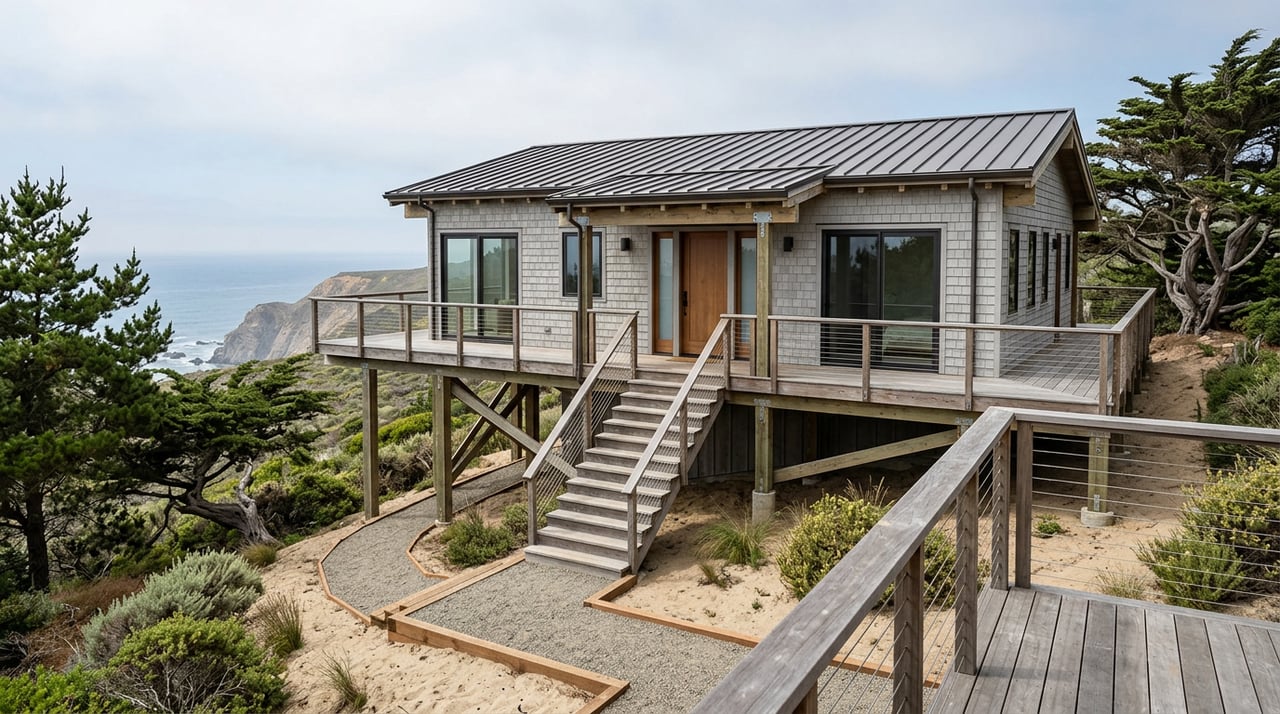
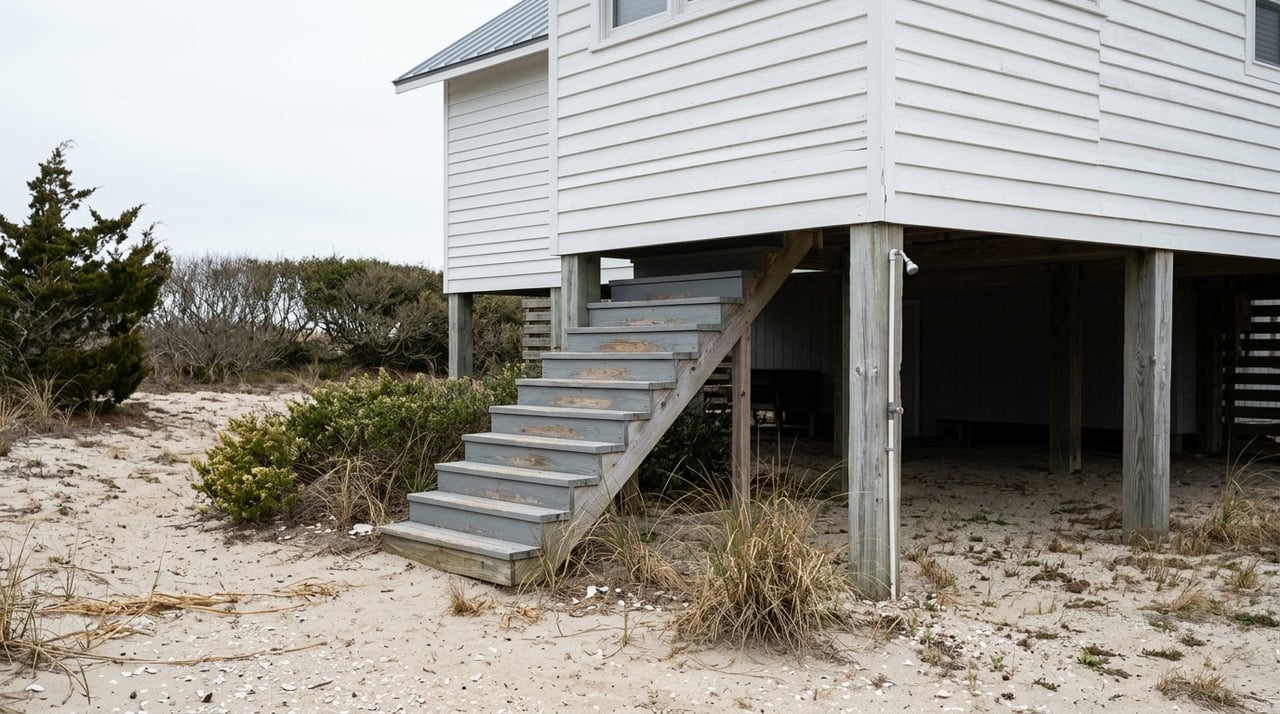
Living on a barrier island comes with real tradeoffs, and Kitty Hawk is no exception. The town says most of its 8.8 square miles lie within a Special Flood Hazard Area, and it identifies hazards such as Nor’easters, hurricanes, flooding, and coastal erosion. That is part of the reality of coastal ownership here.
The town also provides flood-risk data and floodplain guidance, and it notes that CAMA applies in the coastal zone, with some activities in Areas of Environmental Concern requiring permits. If you are buying in Kitty Hawk, flood zone, elevation, and possible future permitting needs should be part of your due diligence. This is especially important if you may renovate, expand, or build later.
Beach driving rules matter too
If driving on the beach is important to you, note one key difference. The Outer Banks tourism bureau says Kitty Hawk does not allow ORVs on its beaches, unlike Nags Head and Kill Devil Hills. For some buyers, that is no issue at all. For others, it is a meaningful factor when comparing towns.
Who Kitty Hawk fits best
Kitty Hawk tends to work well for buyers who want a middle-ground option on the northern Outer Banks. It is more publicly accessible and commercially practical than quieter neighbors, but it still offers a strong coastal lifestyle and enough year-round infrastructure to support full-time living. That combination can be attractive whether you are relocating, buying a second home, or exploring a property with rental potential.
You may find Kitty Hawk is a strong fit if you want:
- Beach access with public amenities nearby
- A choice between more year-round and more seasonal areas
- Easier access to shops, dining, and basic errands
- Outdoor options beyond the beach alone
- A realistic full-time home base on the OBX
Questions to ask before you move
Before deciding, compare the exact property and area, not just the town name. Because Kitty Hawk blends beach, village, and conservation settings, small location changes can create a very different ownership experience.
Use this checklist as you narrow your options:
- Do you want a year-round neighborhood feel or a more seasonal setting?
- Is the property in the beach zone, village zone, or Kitty Hawk Woods area?
- How close is it to public beach access, parking, and public amenities?
- How easy will daily errands be from that address?
- What flood zone and elevation apply to the parcel?
- Could future work require floodplain or coastal permitting review?
- If you have children, which school attendance zone serves the address?
- Are you comfortable with a more service-oriented town character?
- Is the lack of ORV beach access a deciding factor for you?
In many ways, Kitty Hawk is one of the most balanced choices on the northern Outer Banks. It offers a blend of beach living, practical convenience, and natural beauty that can be hard to find in one place. If that sounds like your version of coastal life, Kitty Hawk may be worth a closer look.
If you want help comparing neighborhoods, zoning patterns, or the day-to-day feel of different parts of town, reach out to Brad Beacham. A local, property-by-property view can make all the difference when you are deciding where to land on the OBX.
FAQs
Is Kitty Hawk, NC a good place for year-round living?
- Kitty Hawk can work well for year-round living because it has everyday retail, dining, public amenities, and residential areas that feel more lived-in than purely seasonal parts of the Outer Banks.
Is Kitty Hawk, NC mostly a vacation town or a residential town?
- It is a mix of both, with year-round areas in and around the village and more seasonal patterns in many beach-area locations.
What is housing like in Kitty Hawk, NC?
- Housing is mostly single-family detached homes, and the town also has a large share of seasonal and short-term-rental use, so neighborhood feel can vary a lot by address.
Are home prices in Kitty Hawk, NC affordable?
- Kitty Hawk is not considered a low-cost market, with the town’s land-use plan listing a median home value above both Dare County and North Carolina figures in the same source.
What outdoor activities are available in Kitty Hawk, NC?
- You can enjoy public beach access, parks, bikeways, multi-use paths, and access to the Kitty Hawk Woods maritime forest for hiking, kayaking, birding, and nature study.
Do beaches in Kitty Hawk, NC allow ORVs?
- No, Kitty Hawk does not allow ORVs on its beaches, which is an important distinction if beach driving matters to you.
What should buyers check before moving to Kitty Hawk, NC?
- Buyers should compare zoning, flood zone, elevation, proximity to services and beach access, seasonal versus year-round surroundings, and any potential permitting needs tied to the property.