Selling a home in Nags Head is not just about tidying up and putting a sign in the yard. In a coastal market shaped by beach traffic, rental turnover, permitting rules, and shoreline work, the right prep plan can help you avoid delays and show your property at its best. If you want to list with more clarity and less stress, a locally informed approach can make all the difference. Let’s dive in.
Start With Nags Head Timing
In Nags Head, timing matters more than many sellers expect. Beach activity, visitor turnover, and seasonal town operations can all affect when your home is easiest to prepare, photograph, and show.
The town’s Ocean Rescue operations run from Memorial Day through October, with busier summer staffing in peak season and lighter coverage later in the fall. That seasonal pattern is a helpful signal that beach traffic and public activity are usually highest in summer, which can make exterior work and showings more disruptive.
Summer Saturdays are especially busy in the Outer Banks because many visitors arrive and depart on weekly rental cycles. If your home is a second home or vacation rental, weekdays and shoulder-season windows are often better for pressure washing, painting, repairs, and photography.
If your property is oceanfront, it is also smart to look ahead at shoreline activity. Nags Head beach nourishment work is scheduled from May through August 2026, and the town notes that equipment, pipes, and temporary beach closures may be visible during construction. That means exterior photos and showings may benefit from careful scheduling if your home is near active work.
Plan Ahead for Sand Work
If your property needs larger sand cleanup or dune-area work, do not leave it for the last minute. Nags Head’s Ocean Sand Relocation program is seasonal and permit-based, with work generally allowed from November 15 through April 30.
The current application window is closed and reopens November 1, 2026. For sellers, the takeaway is simple: if your oceanfront home needs meaningful sand-moving or cleanup, build that into your timeline well before you plan to list.
Focus on Exterior First Impressions
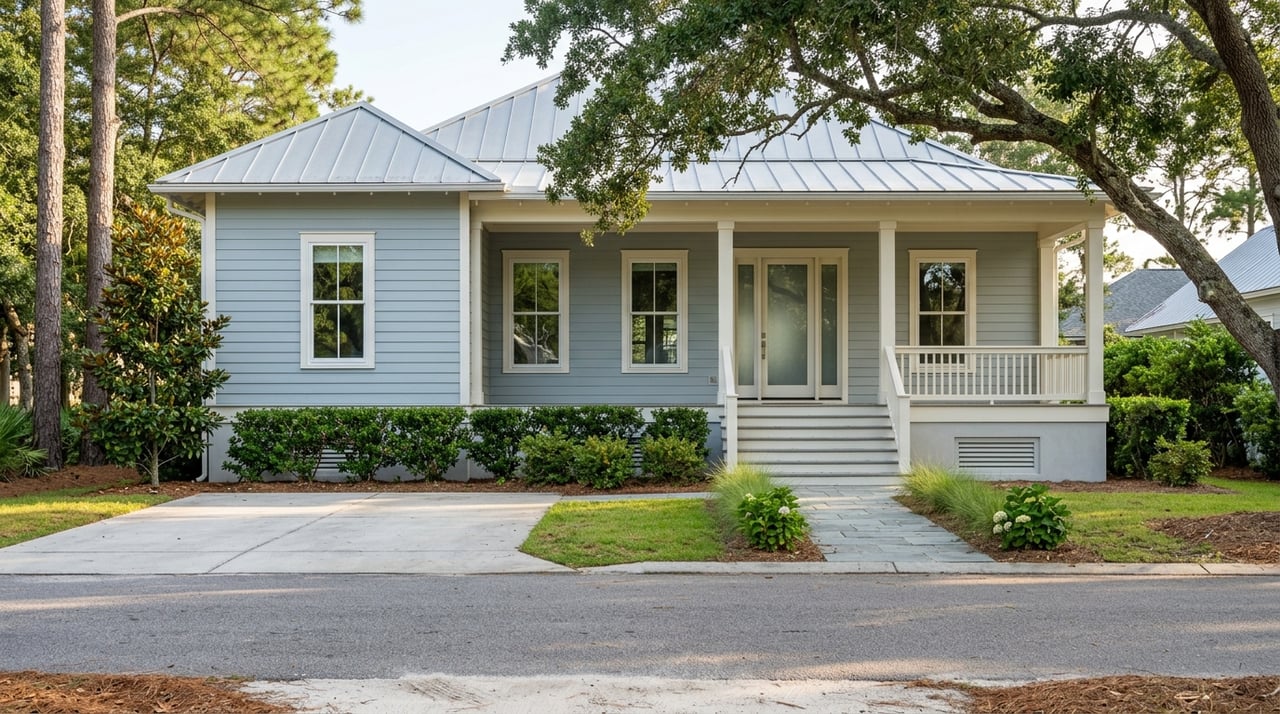
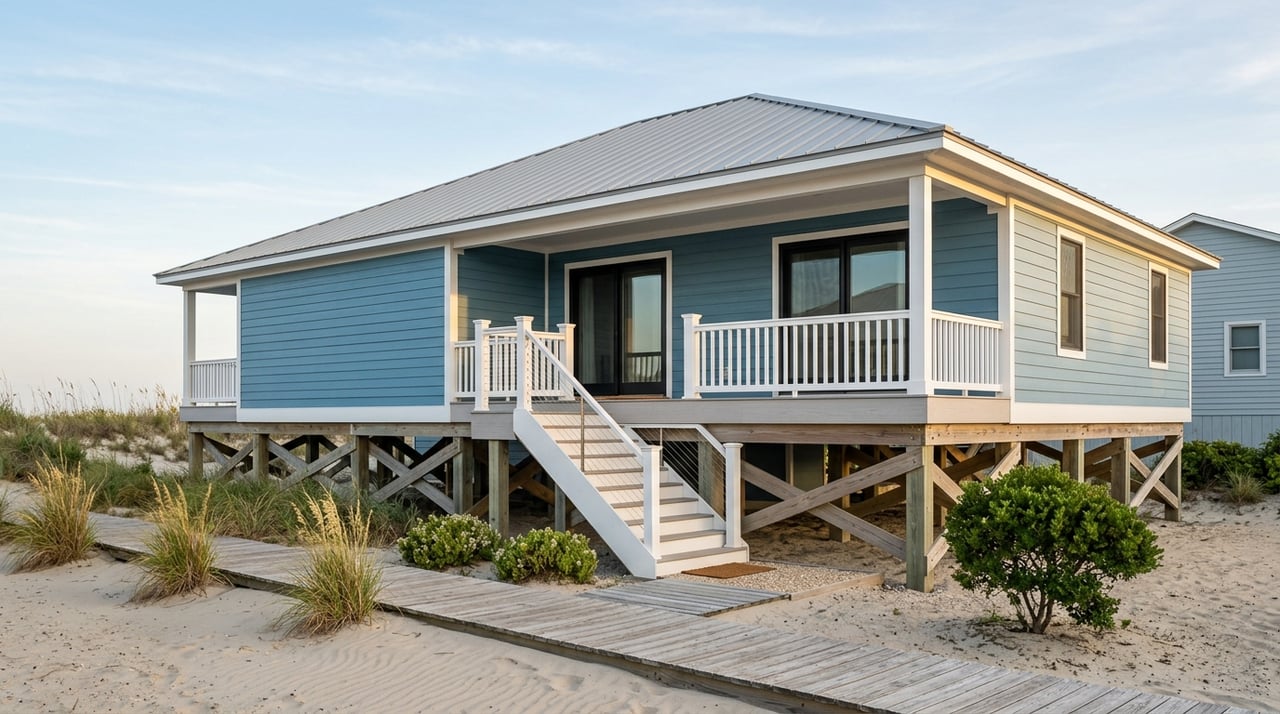
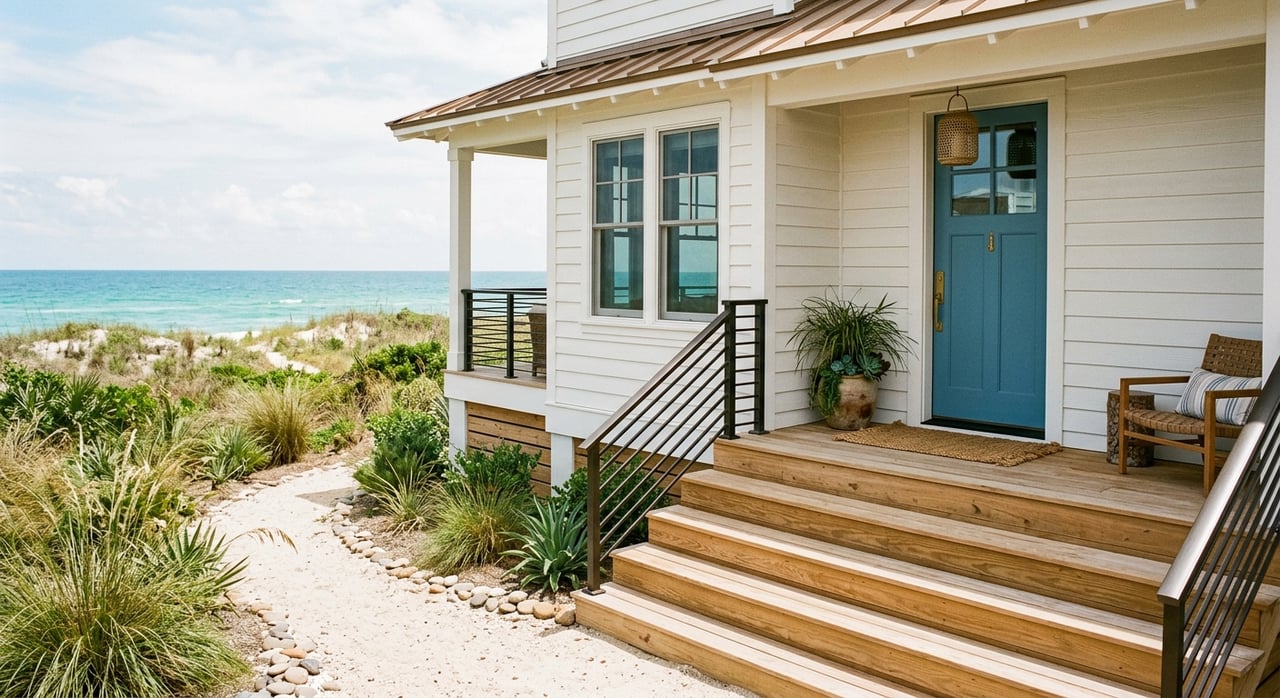
In a coastal market, buyers often notice the outside of the home before anything else. Decks, stairs, railings, siding, outdoor living spaces, and the dune line all help shape a buyer’s first impression.
That is especially true in Nags Head, where outdoor living is part of the property story. A clean entry, well-kept deck, and tidy exterior can help your home feel cared for and move-in ready before a buyer ever steps inside.
Check Deck Safety Early
Nags Head specifically advises homeowners to inspect deck ledger connections, flashing, corroded fasteners, rot, stairs, and guardrails. In a salt-air environment, these issues can affect both appearance and safety.
If your deck has visible wear, loose rails, or aging components, it is worth addressing those items early. The town also states that deck repair or replacement requires a building permit, so you should confirm scope and requirements before work begins.
Confirm Which Repairs Need Permits
Not every exterior improvement is purely cosmetic. Nags Head’s permitting office handles repairs, remodels, additions, and other land-development work, and projects may require review for zoning, stormwater, flood, NC Building Code, CAMA, and NFIP compliance.
Before you start exterior projects, make sure you understand whether the work needs approval. That can help you avoid delays, paperwork surprises, or incomplete projects right before your listing goes live.
A practical way to think about it is this:
- Cosmetic refreshes like cleaning and decluttering are usually the easiest first steps
- Structural or repair-related work should be checked for permit requirements before scheduling
- Coastal-site work near dunes, sand, or drainage may need more lead time than you expect
Prepare Dunes and Landscaping Carefully
Curb appeal in Nags Head looks different than it does inland. Here, buyers are often noticing dune condition, beach access feel, exterior cleanliness, and whether the property looks well maintained in a coastal environment.
Nags Head’s dune guidance explains that dunes are part of the barrier-island protection system. The town also notes that native vegetation such as American beachgrass, sea oats, bitter panicum, and seashore elder helps improve dune stability.
Use the Right Season for Dune Planting
If your property would benefit from dune replanting, timing matters. According to the town, American beachgrass is best planted from November through March.
That makes dune improvement a cold-season project, not a quick spring listing fix. If you wait too long, you may miss the ideal planting window and lose a chance to improve the home’s setting before it hits the market.
Gather Flood and Property Documents Early
For many Nags Head buyers, especially those purchasing oceanfront or near-ocean properties, the document package matters almost as much as the home itself. Buyers often want clarity around flood zones, elevation, insurance history, and prior improvements.
Nags Head has participated in the National Flood Insurance Program since 1978, and town staff can help owners determine flood zones, base flood elevations, and insurance information. If you can organize these materials before listing, you can make the process smoother for serious buyers.
Helpful Documents to Have Ready
Try to gather:
- Elevation certificates
- Flood zone information
- Base flood elevation details
- Insurance-related records you already have
- Mitigation or improvement records
- Permit records for completed work
If your home has been used as a second home or rental, it is also wise to collect owner manuals, contractor receipts, warranty information, and rental calendars. Nags Head’s permit portal allows the public to search active and closed permits filed since January 2019, which may help you recover missing records.
Make the Home Feel Move-In Ready
You do not need an expensive remodel to make a strong impression. In many cases, a clean, uncluttered, well-presented home gives buyers what they need most, which is the ability to picture themselves using the space.
The 2025 Profile of Home Staging found that 83% of buyers’ agents said staging makes it easier for buyers to visualize a property as a future home. That matters in Nags Head, where buyers may be comparing your home not only on price and location, but also on how easily they can imagine enjoying the space.
The same report found that some sellers’ agents saw staging increase the dollar value offered by 1% to 5%, while 30% reported a slight reduction in time on market. That supports a practical strategy of focusing on presentation over costly last-minute upgrades.
Prioritize the Rooms Buyers Notice Most
If you are deciding where to spend time and money, focus on the rooms that typically have the biggest visual impact. The staging report identified the living room, primary bedroom, and dining room as the most commonly staged spaces.
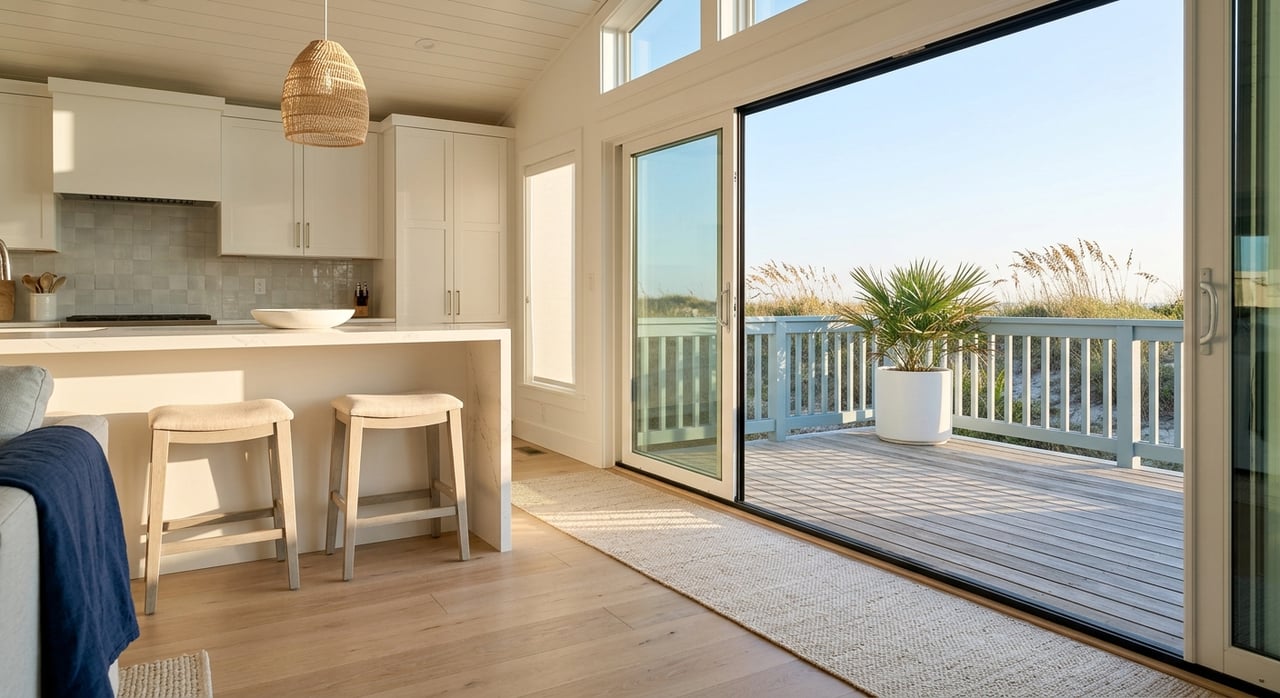
For many Nags Head homes, it also helps to simplify spaces tied to the coastal lifestyle. Clear off porches, freshen outdoor seating areas, reduce visual clutter, and make sure windows and glass doors are clean so light and views can do their job.
Treat Photography as a Core Selling Tool
In a destination market like Nags Head, many buyers will form their first impression online. That makes photography, video, and overall presentation central to your marketing plan.
Research cited in the report shows that listings with high-resolution photography, virtual tours, and interactive floor plans tend to sell faster and for more money. The staging data also shows that listing photos are one of the most important tools for buyers’ agents.
For Nags Head sellers, this reinforces a simple point: professional visuals are not an extra. They are part of how you compete.
Show the Setting, Not Just the House
The strongest Nags Head listing images usually do more than document rooms. They also show the home’s coastal context, including deck orientation, porch seating, dune line, outdoor shower, and any water views.
That is especially important for second-home buyers and rental-minded buyers, who often want to understand how the property lives both inside and outside. A thoughtful photo set helps tell that story.
Choose the Right Photo Day
Because summer Saturdays are traffic-heavy in the Outer Banks, and beach activity is highest in the main season, a calm weekday is often the best time for exterior photography. That can help reduce visible cars, beach clutter, and distractions.
If the home is near an active beach nourishment area, it may also be worth re-shooting exterior images after the work is complete. That way, your listing photos highlight the property itself instead of temporary equipment or closure signs.
Build a Smart Pre-Listing Checklist
If you want to sell confidently, try to work from a clear plan instead of reacting to problems as they come up. In Nags Head, that usually means starting earlier than you would in a more typical market.
A simple pre-listing checklist might include:
- Schedule exterior cleaning on a low-traffic weekday
- Inspect decks, stairs, guardrails, and visible exterior wear
- Confirm whether planned repairs require permits
- Review dune or sand-related work deadlines and seasonal rules
- Gather flood, elevation, insurance, and permit records
- Declutter and lightly stage the main living areas
- Schedule professional photography for a calm weekday
- Recheck exterior photos if shoreline work affects the view
This kind of preparation helps your home feel well cared for, better documented, and easier for buyers to understand. It also helps your listing launch with fewer avoidable interruptions.
Preparing a Nags Head home to sell confidently means thinking like both a homeowner and a local market expert. When you align your repairs, paperwork, staging, and photography with the realities of the Outer Banks, you put yourself in a stronger position from day one. If you are getting ready to sell in Nags Head and want a thoughtful, locally informed plan, connect with Brad Beacham for guidance tailored to your property and timeline.
FAQs
What exterior repairs matter most before selling a Nags Head home?
- Focus first on visible and functional items like deck condition, stairs, guardrails, exterior cleaning, and general maintenance, since buyers often notice outdoor spaces and safety-related features right away.
What home projects in Nags Head may need permits before listing?
- Deck repair or replacement requires a building permit, and other exterior projects may also need review for zoning, stormwater, flood, NC Building Code, CAMA, or NFIP compliance through the town.
When should dune or sand cleanup be scheduled for a Nags Head property?
- Larger sand-moving work should be planned well in advance because Nags Head’s Ocean Sand Relocation program is seasonal and generally allows work from November 15 through April 30.
What flood documents should sellers gather for a Nags Head home?
- It helps to have elevation certificates, flood zone information, base flood elevation details, insurance-related records, mitigation records, and permit documentation ready for buyer review.
How does staging help when selling a Nags Head home?
- The 2025 Profile of Home Staging found that 83% of buyers’ agents said staging helps buyers visualize a property as a future home, and some agents reported stronger offers and slightly shorter time on market.
Why is professional photography important for a Nags Head listing?
- In a coastal destination market, buyers often first experience the property online, so strong photography, video, and floor plan visuals help present the home clearly and show its setting, views, and outdoor features.